
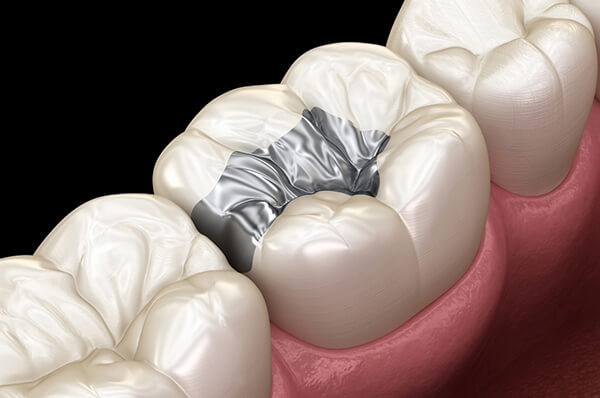
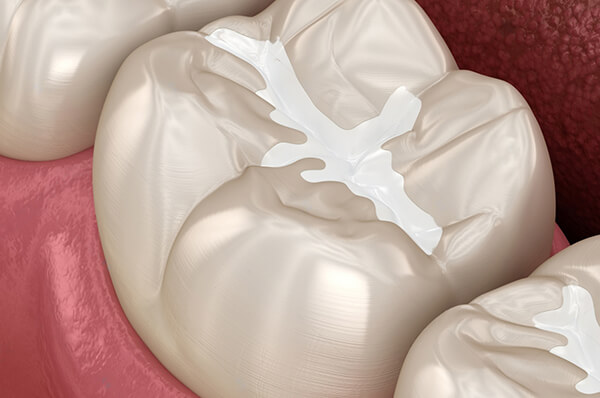
Restoration (filling) of teeth

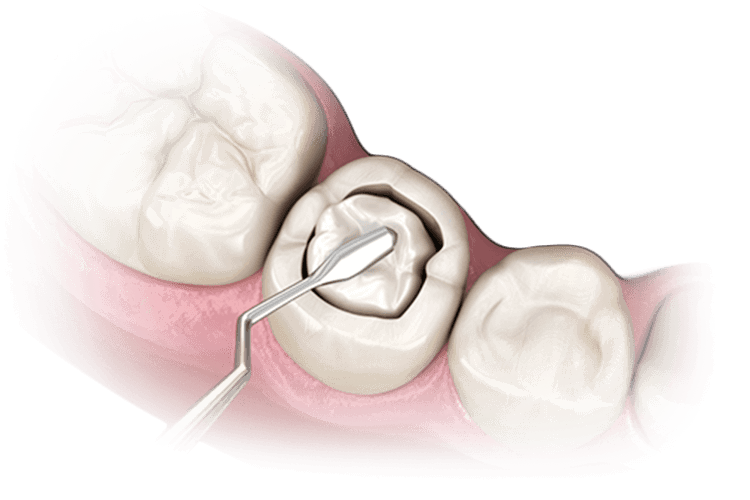
Dental restoration is the reconstruction of lost hard tissues of the coronal part of the tooth.

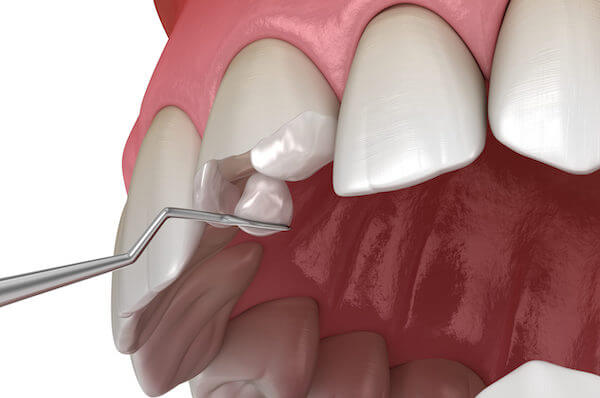
With restorations, it is possible to replace a defect caused by dental caries, a chip, or a fracture, as well as to correct aesthetic defects (e.g., diastema, spacing). In some clinical cases, the entire coronal part of the tooth can be rebuilt.

Types of dental fillings

In modern dentistry, composite light-cured (photopolymer) materials are used for tooth restoration. They can be shade-matched perfectly to the natural tooth. These materials are completely safe for all age groups and, thanks to their plasticity, allow the anatomical shape of the tooth to be recreated rather than simply covering a defect after carious damage.

Restoring a damaged tooth is important because the affected areas lack the protective enamel layer, remain exposed to bacterial colonization, and therefore are prone to tooth decay. Below we review the types of dental fillings.

Temporary fillings

Used in multi-stage treatment as a temporary measure to protect the tooth or to retain medications in the root canals.

Advantages:

  • Protect the tooth from external irritants

Disadvantages:

  • Poor adhesion
  • Low material strength
  • Poor aesthetics

Composite fillings

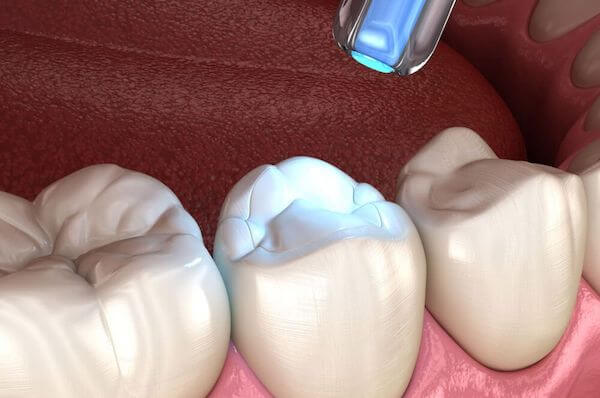
The gold standard in modern dentistry is composite light-cured fillings. Unlike cement, this material hardens only under the light of a UV curing lamp, giving the dentist enough time to recreate the correct tooth shape. Composite restorative material is hypoallergenic and non-toxic, safe for children. It comes in a wide shade range, allowing a restoration that matches the natural tooth color.

Advantages:

  • Durability
  • High esthetics
  • Biocompatibility
  • Strength
  • High adhesion
  • Require minimal removal of healthy tooth tissue
  • Fully restore anatomy

Disadvantages:

  • Require replacement over time (as do all filling materials)
  • Relatively higher cost

Glass ionomer cements

The filling material has a complex chemical composition, but its key feature is the presence of fluorides that continue to supply the tooth with fluoride ions after placement, protecting it from secondary caries. Such fillings are usually used on chewing (posterior) teeth due to the material’s high strength and a relatively lower esthetic outcome compared with composites.

Advantages:

  • Relatively affordable cost
  • Bioactivity
  • Non-toxicity
  • High adhesion
  • Ability to withstand load

Disadvantages:

  • Prone to wear
  • Relatively short service life
  • Color instability

Compomer fillings

They combine elements of glass ionomer and composite. Typically used for treating primary (deciduous) teeth in children. This material merges the advantages of glass ionomer fillings (fluoride release) and composites (high esthetics). Compomers have a long service life but are not resistant to heavy loads, so they are not a universal treatment option.

Advantages:

  • High adhesion
  • Esthetics
  • Fluoride release
  • Strength
  • Non-toxicity
  • Durability

Disadvantages:

  • Brittleness
Ask a question!
We will provide a professional consultation and help you decide

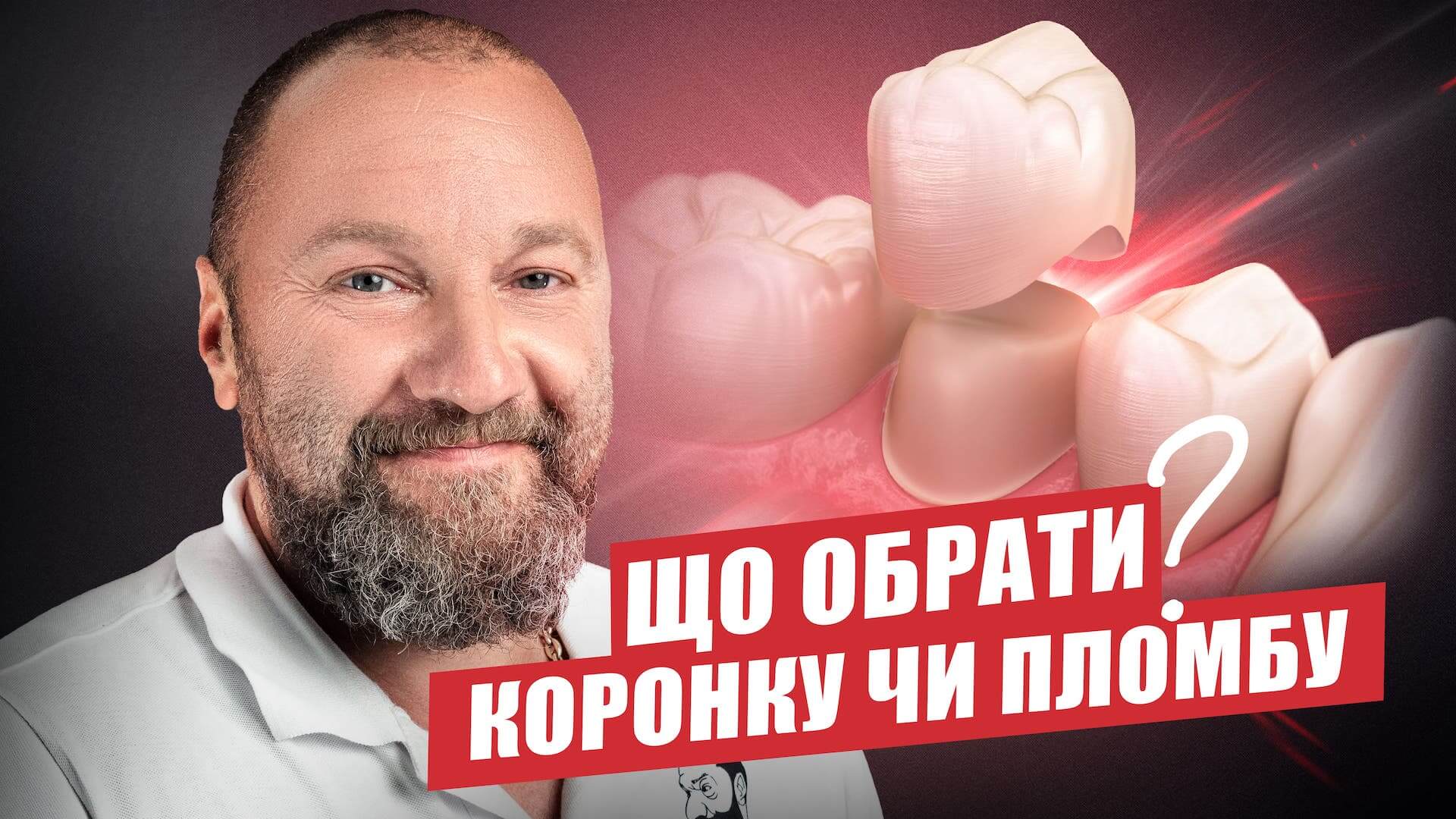
Crown or filling: what to choose?

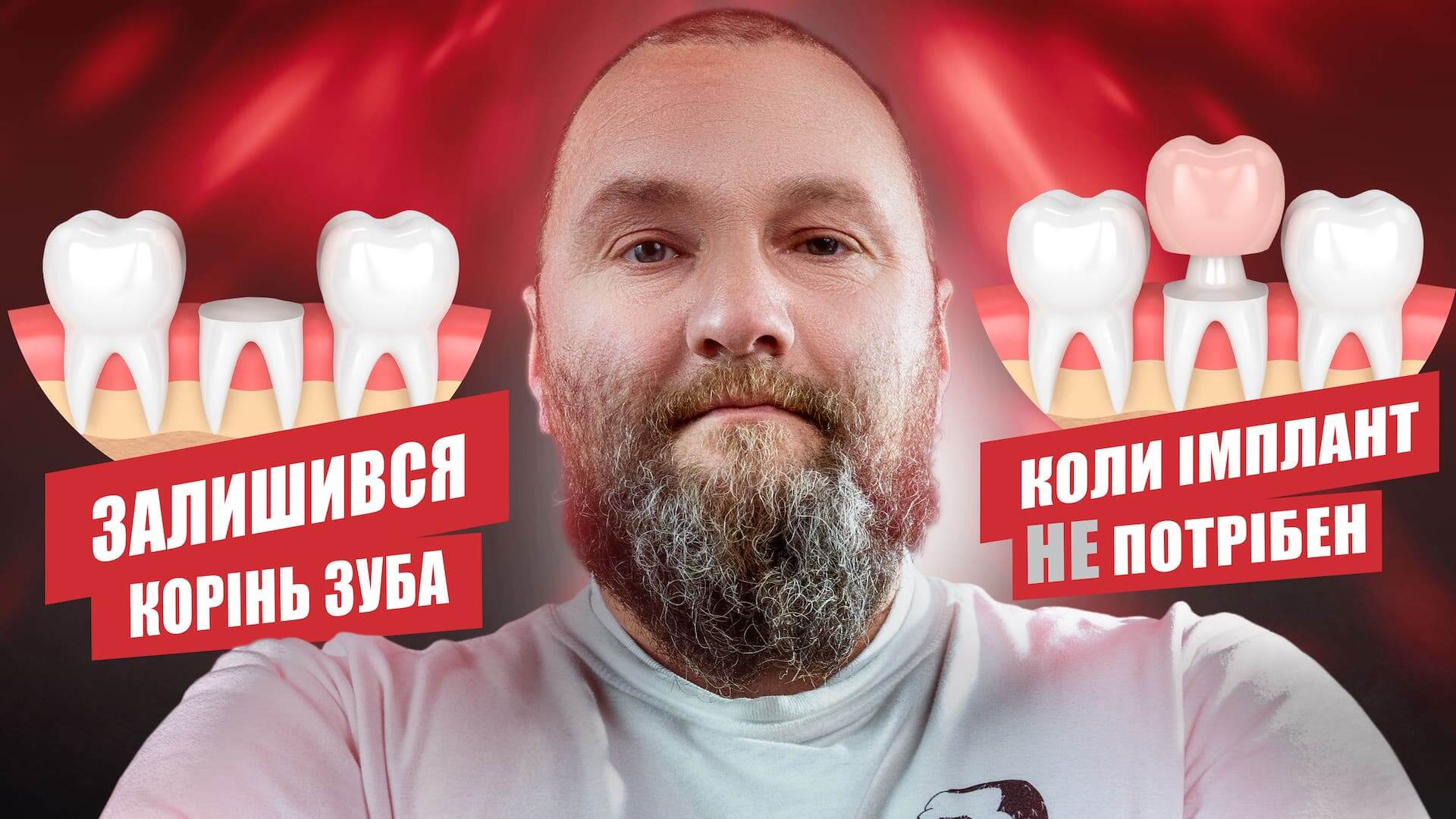
In this video, dental surgeon Maksym Makarenko explains when a crown may not be necessary.

How the filling procedure works

A tooth filling is a multi-stage process that requires the dentist’s specific skills and knowledge so the restoration lasts and looks natural. In modern dentistry the procedure is completely painless thanks to quality anesthetics. Treating one tooth takes about 20 minutes. Here is how the filling is done and what the patient should expect:

Ускладнення після видалення зуба

Anesthesia

Ускладнення після видалення зуба

Preparation

Ускладнення після видалення зуба

Adhesive treatment

Ускладнення після видалення зуба

Filling placement

Ускладнення після видалення зуба

Photopolymerization

Ускладнення після видалення зуба

Adjustment and polishing

Dental restoration cost

Professional dental hygiene
from 2900 UAH
Includes: examination and consultation by a dentist, removal of hard deposits with ultrasonic scaling, removal of soft deposits with a special paste, and treatment with a remineralizing or anti-inflammatory gel.
Air Flow
900 UAH
Cleaning with a stream of air, water, and sodium bicarbonate. The method removes soft plaque in hard-to-reach areas and eliminates yellow staining from tobacco or coffee. The price is indicated per dental arch.
Dental restoration (tooth filling)
from 2000 UAH
Includes: consultation with a dentist, restorative material, and the dentist’s work.
Root canal filling
from 1500 UAH

Payment

We have no hidden fees. Payment is made according to the price list and the agreed treatment plan.

You can pay in cash or by bank card (via terminal).

You can receive treatment under an insurance case through your insurance company, as well as under a contract with another company.


Warranty

We provide a guarantee for all types of dental treatments. For more details, see the “Warranties” section.


Clinic locations in Kyiv

The most convenient access to our dental clinics is from the following areas of Kyiv:

Kyiv, 25B Novomostytska St. — Vynohradar, Kurenivka, Obolon, Syrets, Minskyi residential area.

Kyiv, 20 Pidvysotskoho St. — Pecherskyi District, Zvirynetska metro station.

Kyiv, 60/1 Yalynkova St. — Kharkivskyi residential area; Boryspilska, Chervonyi Khutir, Vyrlytsia, Kharkivska metro stations.

Our doctors

Frequently asked questions about dental restoration

What is the difference between a filling and a restoration?

In essence, they are equivalent. The term “restoration” has replaced “filling,” which referred only to restoring function, and now also includes restoring the tooth’s anatomy and aesthetics.

Is there a warranty on tooth fillings?

Ukrainian law does not provide a statutory warranty for this type of dental procedure. At our clinic, under internal policy, we provide a 1-year warranty on composite light-cured restorations. This period is more than sufficient to confirm the reliability of the placed filling.

Tooth pain after a filling

Mild discomfort and sensitivity to hot or cold can occur in the first few days. This usually decreases day by day, and heightened sensitivity may last up to two weeks. If the pain is sharp, constant, or worsening, see your dentist for an examination, as inflammation is possible.

Why do dental restorations darken?

Mechanical wear makes the surface rougher, so it absorbs pigments from food and drinks, and nicotine in smokers. To prevent this, restorations should be polished and finished about twice a year.

Can you whiten restored teeth?

Teeth whitening will not harm a filling, but it will have no effect. Restorations, like ceramic crowns, do not change color with bleaching. After such a procedure, you either replace the restoration or leave it as is and accept the aesthetic mismatch that will appear.

How long does a composite filling last?

The lifespan of a composite light-cured filling is 7 years or more. With good hygiene and proper care, it can reach 10 years or longer.

A remaining tooth root: how to restore it?

If you have a remaining tooth root, some dentists recommend removing it and placing an implant. Sometimes this is not necessary. In this video, dental surgeon Maksym Makarenko explains four methods of tooth restoration and when and how the root can be preserved.

Book a consultation with a dentist