
What is gnathology?

Gnathology is a branch of dentistry that encompasses the function of the stomatognathic system and its components, including the masticatory muscles, facial muscles, joints, cranial bones, neural pathways, periodontal tissues, and teeth.

A gnathologist diagnoses disorders related to the temporomandibular joints (TMJ), masticatory muscles, as well as various dental-arch pathologies and malocclusions. As a rule, such patients are seen by prosthodontists or orthodontists.

Гнатологія

When should you see a gnathologist?

Gnathological disorders can be congenital or acquired (for example, due to trauma, malocclusion, etc.).

Among the consequences of malocclusion, the most common are tooth enamel wear, digestive system disorders, gingival inflammation, migraines, respiratory dysfunction, and speech disorders.

It is important to note that the correction of gnathological disorders is performed by dentists such as prosthodontists, orthodontists, and oral surgeons, so gnathology and dentistry are closely interconnected.

Ideally, a patient should find a specialist with multiple qualifications, for example in prosthodontics and gnathology, since such a specialist can both diagnose and correct dysfunction of the stomatognathic system.

When should you consult a gnathologist to correct existing problems?

Ускладнення після видалення зуба

When you experience pain in the jaw or masticatory muscles

Ускладнення після видалення зуба

Rapid fatigue while chewing

Ускладнення після видалення зуба

Clicking in the temporomandibular joint

Ускладнення після видалення зуба

A feeling of discomfort when opening or closing the mouth

Ускладнення після видалення зуба

Before beginning comprehensive prosthodontic treatment

Ускладнення після видалення зуба

Tension in the masticatory muscles even when you are not moving your jaws
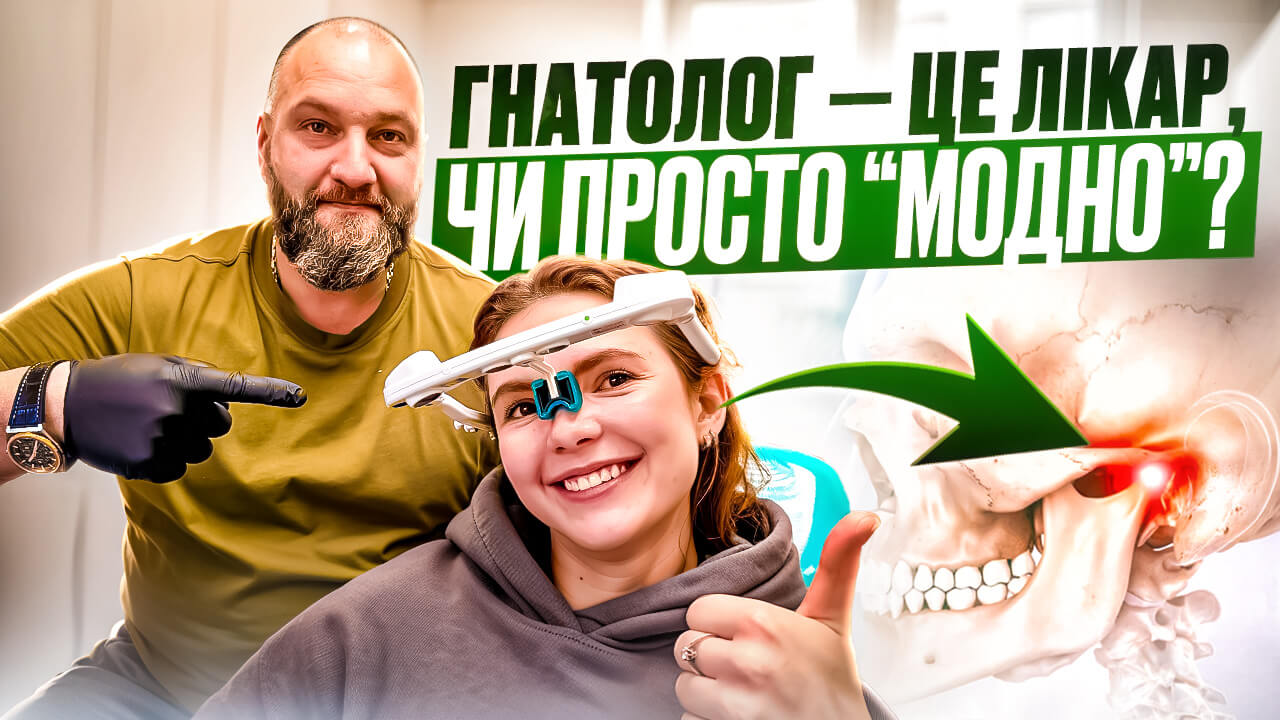
Who is a gnathologist?

If you feel jaw pain or discomfort, notice clicking, grinding, or restricted mouth opening, have problems with the temporomandibular joint, underwent dental treatment and something is not right, or are unsure whether to see an orthodontist or a neurologist, a gnathologist is the specialist who can address all these issues.

How does a gnathologist’s diagnostic evaluation proceed?

To determine the exact cause of temporomandibular joint (TMJ) dysfunction, a comprehensive approach is required that includes a series of procedures and tests; upon completion, the patient receives a report with a treatment plan. Gnathological diagnostics is performed in several stages during a single visit:

Stage 1. Examination by the doctor
Before recommending such comprehensive diagnostics, the doctor must confirm the presence of gnathological disorders. The specialist will perform several mouth opening-and-closing tests and assess the condition of the teeth and the type of occlusion. In addition to the teeth and jaws, the gnathologist will evaluate the movement and function of the temporomandibular joints under load and at rest.

Step 2. CT scan

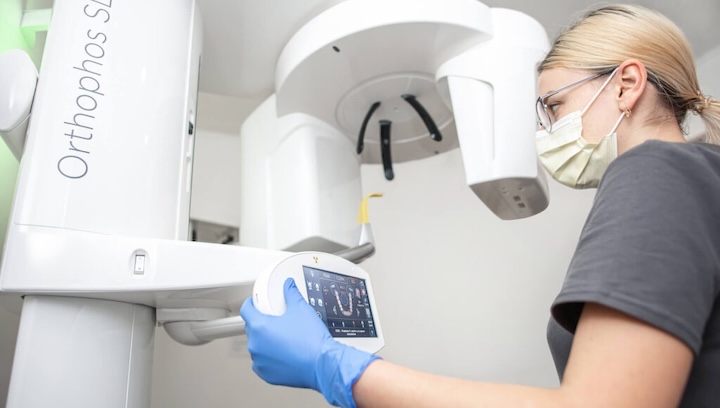
Computed tomography (CT) and/or cephalometric radiography. A CT scan of the jaws and TMJ radiographs help rule out other maxillofacial pathologies and enable a sound treatment plan that accounts for bone health and the condition of tooth roots.

Stage 3. Jaw scanning

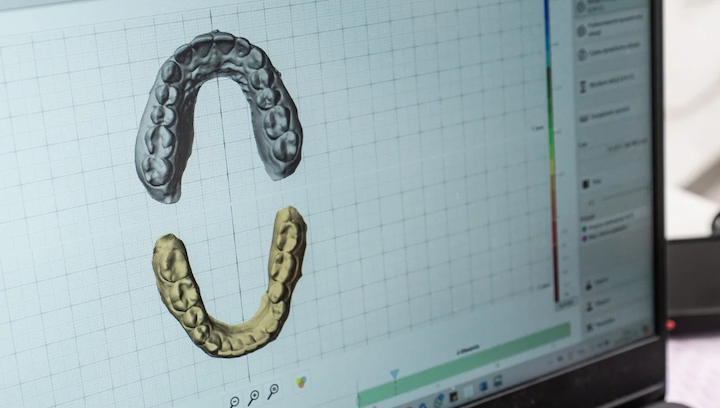
Jaw scanning is essentially a digital impression of your jaws taken with a scanner (camera). The procedure is quick and completely painless. Intraoral scanning is required for condylography, because without scanning the jaws it is technically impossible to obtain a diagnostic report after facebow registration.

Stage 4. Condylography

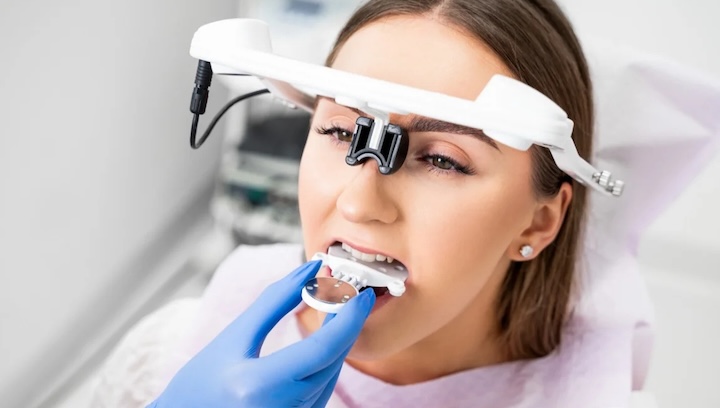
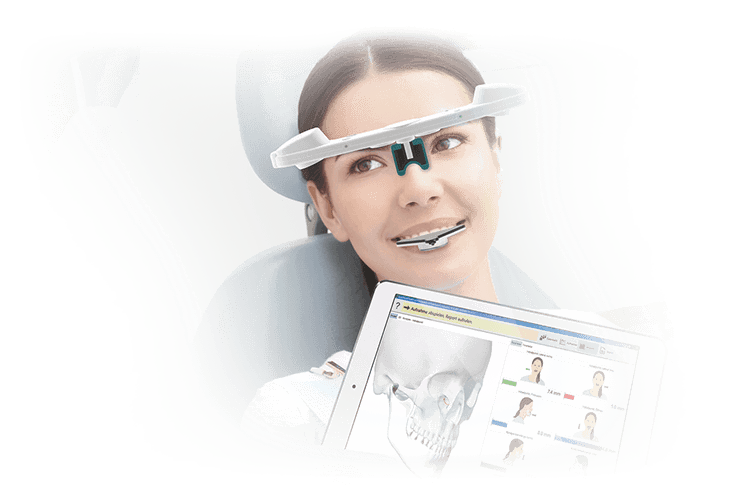
This is the core examination of jaw and temporomandibular joint (TMJ) function using the Zebris JMA Optic facebow, with interpretation of the findings and a 3D recording of mandibular movements. With the condylography results, you can consult another specialist, who can prescribe appropriate treatment based on the condylograph data.

Our advantages

Experienced specialists

Our doctors have 13–25 years of clinical experience. Continuous training and ongoing skill development are key to positive treatment outcomes.

State-of-the-art equipment

The Sirona dental CBCT unit performs TMJ CT and cephalometric radiography. The Zebris JMA Optic facebow is a modern technology for condylography (gnathological diagnostics).

All in one place

Our clinic has all the necessary equipment for comprehensive diagnostics, as well as specialists across all dental specialties to ensure accurate treatment planning and positive outcomes.

Our gnathologists

Cost of a gnathological consultation

CBCT of both jaws
1200 UAH
CBCT of one TMJ
600 UAH
Cephalometric radiograph
500 UAH
posteroanterior or lateral projection
Diagnostics using the Zebris digital facebow, in-clinic
4500 UAH
The price includes intraoral jaw scanning, diagnostics with the Zebris JMA Optic digital facebow, and a doctor’s report.
Diagnostics using the Zebris digital facebow, out-of-clinic
9500 UAH
The price includes intraoral jaw scanning, diagnostics with the Zebris JMA Optic digital facebow, recording and interpretation of the examination.

Payment

There are no hidden fees. Payment is made according to the price list and the agreed treatment plan. You can pay in cash or by card (via the POS terminal).


Warranties

We provide a warranty for all types of dental treatment services, provided that the patient complies with all the doctor's requirements and recommendations. You can find more detailed information in the “Warranties” section.


Clinic Locations in Kyiv

The easiest way to reach our dental clinics is from the following Kyiv districts:

Clinic at 25 B Novomostytska St., Kyiv — Vynohradar, Kurenivka, Obolon, Syrets, Minskyi masyv.

Clinic at 20 Pidvysotskoho St., Kyiv — Pecherskyi district, Zvirynetska metro station.

Clinic at 60/1 Yalynkova St., Kyiv — Kharkivskyi masyv, Boryspilska, Chervonyi Khutir, Vyrlytsia, and Kharkivska metro stations.

Book a consultation with a gnathologist