

Endodontic treatment
Endodontics is a branch of dentistry that focuses on the treatment of the tooth’s root canals. Any medical intervention involving the root canals is performed by an endodontic dentist (endodontist).
The tooth roots anchor the tooth in the jaw (alveolar) bone. Alveolar neurovascular bundles pass through the root canals, so a serious disease of the tooth root almost never goes unnoticed, as it is accompanied by severe pain, ranging from sharp to dull, aching pain.

What is endodontic treatment
Endodontic treatment is aimed at thoroughly cleaning the tooth canals from inflammation, infection, and granulation tissue. The most common reason for endodontic treatment is untreated tooth decay that has affected the dental pulp and nerve endings (pulpitis). In other common cases, decay has spread beyond the tooth root, resulting in a condition known as periodontitis. An endodontic dentist cleans, disinfects, shapes and, at the final stage of treatment, seals the root canals.
There are two methods of treating root canals: therapeutic and surgical.
The therapeutic method is used only when pulpitis is diagnosed. Its key feature is that the nerve endings are treated rather than removed, so after treatment the tooth remains a living organ.
The surgical method is used in selected cases of pulpitis and in all other diagnoses. The pulp and tooth nerve are completely removed, after which the tooth is no longer vital, but it continues to perform its main functions – chewing and aesthetics.
When is endodontic treatment needed
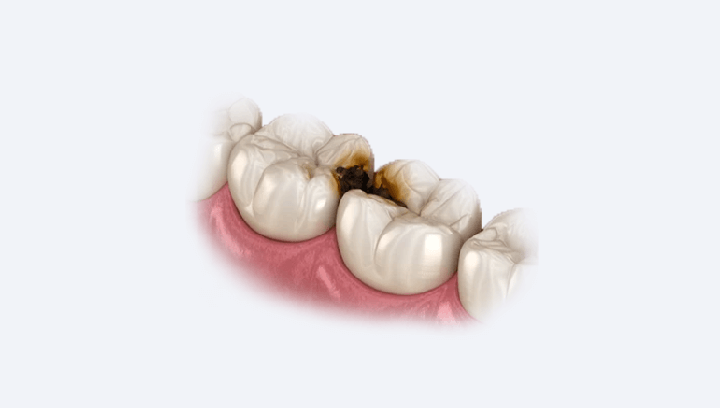
Pulpitis
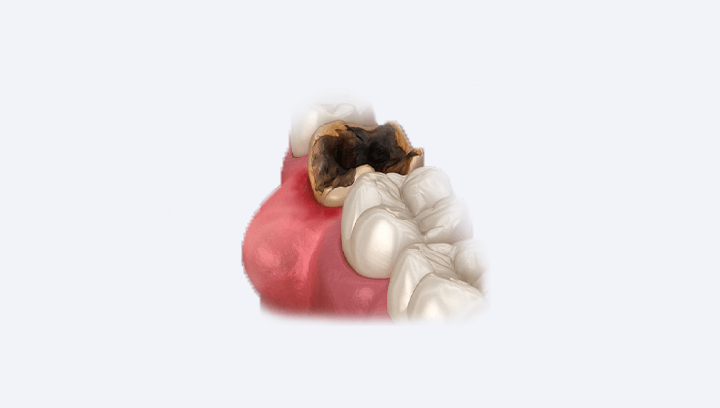
Periodontitis
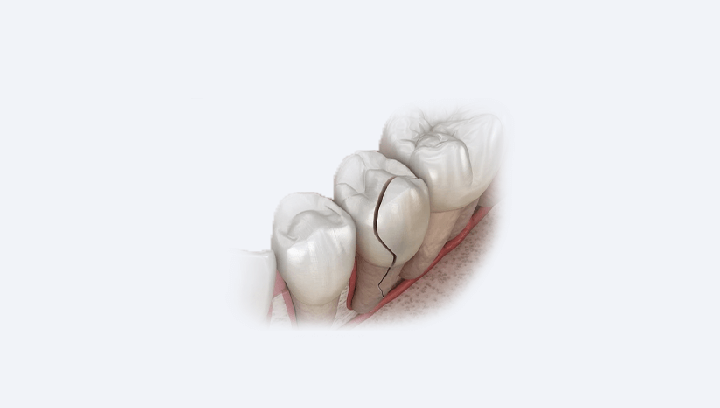
Pulp trauma
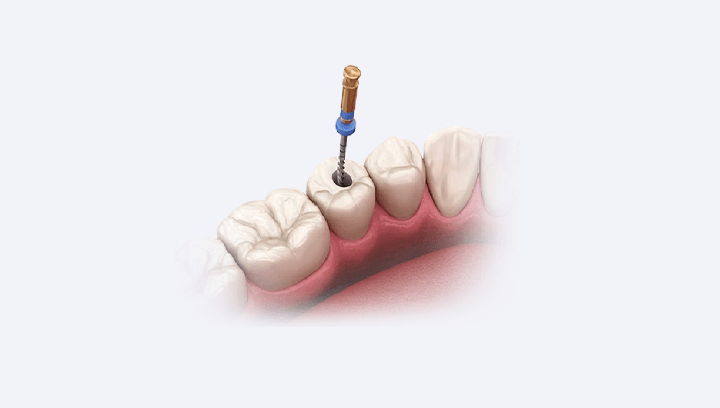
Secondary endodontic treatment
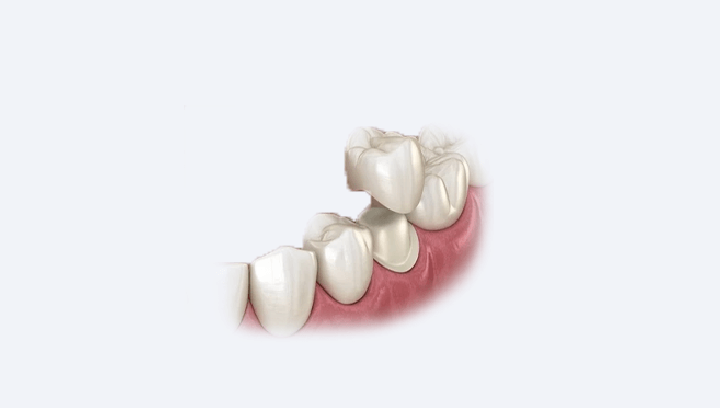
Preparation for prosthetic treatment
Процес ендодонтичного лікування зуба
Anaesthesia
Isolation
Removal of carious lesions
Removal of the tooth nerve
Determining canal length
Mechanical canal preparation
Placement of medication
Temporary filling
Irrigation
Drying
Permanent filling
Control X-ray
Tooth restoration
Our dentists

Maksym Makarenko

Roman Mamonov

Yevhen Makarenko

Maryna Mamonova

Lydia Bulygina
Cost of dental treatment
Professional oral hygiene
from 2900 UAH
Air Flow
900 UAH
Dental fillings
from 2500 UAH
Endodontic treatment
from 2000 UAH
Root canal filling
from 2000 UAH
Dental treatment under a microscope
from 2000 UAH
Payment
We have no hidden charges. Payment is made according to the price list and the agreed treatment plan.
You can pay in cash or by card (via a bank terminal).
You can also receive treatment under an insurance case through an insurance company, or under a contract with another company.
Dental Warranty
We provide a warranty for all types of dental treatment services, provided that the patient follows all of the dentist’s instructions and recommendations. You can find more detailed information in the “Warranty” section.
Clinic locations in Kyiv
The most convenient access to our dental clinics is from the following districts of Kyiv:
To the clinic at Kyiv, 25B Novomostytska St. — Vinohradar, Kurenivka, Obolon, Syrets, Minskyi district.
To the clinic at Kyiv, 20 Pidvysotskoho St. — Pechersk district, Zvirynetska metro station.
To the clinic at Kyiv, 60/1 Yalynkova St. — Kharkivskyi district, Boryspilska, Chervony Khutir, Vyrlytsia, and Kharkivska metro stations.
Is it necessary to remove the nerve before placing a crown?
Whether it is necessary to remove the nerve in a tooth before placing a crown or a bridge is a question on which dentists are divided. In this video, dental surgeon Maksym Makarenko shares his view on removing the nerve before placing a crown.

Frequently asked questions about root canal treatment
How many visits does endodontic treatment take?
Depending on the clinical case, the number of visits to the endodontist can range from 1 to 4. In some diagnoses, for example in acute periodontitis, the dentist places medication in the canals for several days and then replaces it. This may be repeated several times until the desired result is achieved and the inflammation is resolved. There are also cases when all endodontic treatment can be completed in a single visit.
A tooth without a nerve has turned dark. Can this be fixed?
An examination by the dentist is necessary to determine the cause of dentine darkening. Patients who had endodontic treatment a long time ago often come with this concern, as medications widely used at that time can cause such an effect. The defect is usually corrected using internal (endodontic) tooth whitening or by placing dental veneers.
Tooth pain after nerve removal
Pain after endodontic treatment can be either a normal or a pathological condition. Moderate, tolerable, even pain during the first 2–3 days after treatment is considered normal. Residual sensations may persist for another 2–3 weeks. If the pain is sharp, increasing in the first days, does not subside, or remains the same 3 weeks after treatment, you should consult a specialist with these symptoms.
How painful is root canal treatment?
Since the procedure involves exposed nerve endings and sensitive tissues, all treatment is carried out under local anaesthesia. During treatment, the dentist can administer additional anaesthetic when its effect begins to wear off. Therefore, the patient does not experience sharp, severe pain. For those who are very afraid of dental treatment, treatment under sedation can be used additionally.
Broken instrument found on the X-ray
If the canals are well filled and the tooth does not bother you, a broken instrument does not pose a threat. If the root requires retreatment, you should find an experienced specialist who can remove the broken instrument and who works with a dental microscope. The dentist’s expertise and appropriate equipment are the key to successful treatment and avoiding damage to the tooth root.
How long will a tooth without a nerve last?
A devitalised (non-vital) tooth can last a lifetime. Its longevity depends on the quality of the treatment performed and the individual general health of the patient. That is why it is important to treat teeth and to do it properly.