What is professional teeth cleaning?
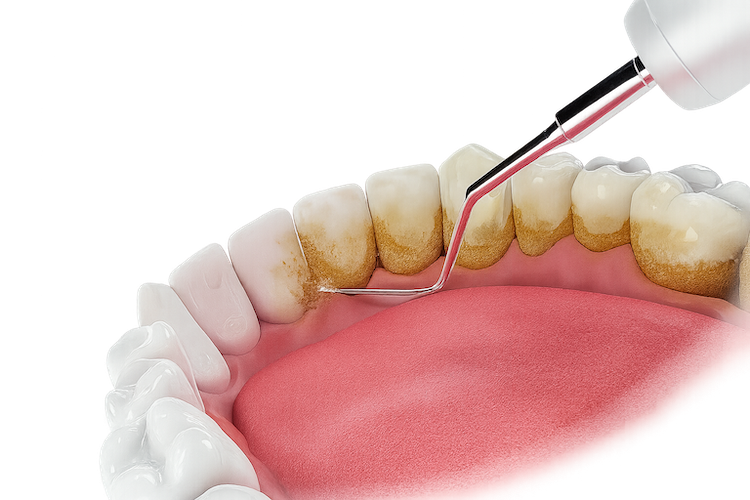
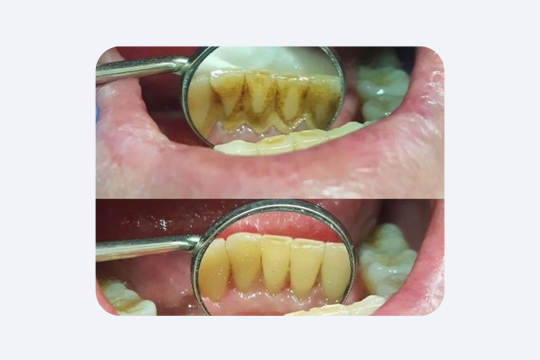
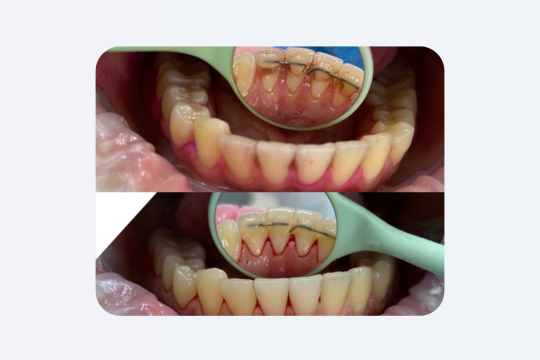
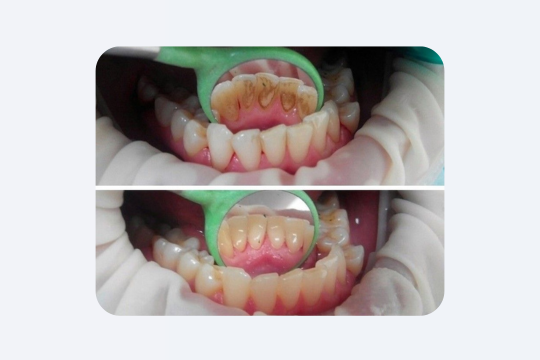
Professional teeth cleaning is a hygiene procedure performed by a dental hygienist in the clinic. Its purpose is to remove hard deposits (dental calculus/tartar) and soft deposits (plaque, stains).
Using modern equipment, the hygienist cleans the tooth surfaces and interdental spaces, including areas a regular toothbrush cannot reach. This is one of the most reliable ways to prevent tooth decay, gingivitis, and periodontitis, because the procedure removes the environment in which bacteria multiply.
When should you have your teeth cleaned?
Professional cleaning is recommended 1–2 times a year. However, there are situations when you should not postpone it—in such cases, the procedure is advised more often, every 3–4 months.

Rapid formation of tartar and plaque
If your teeth quickly accumulate deposits after brushing, this signals the need for professional assessment. Such deposits cannot be removed at home.

Gum disease (gingivitis, periodontitis)
When the gums are inflamed, cleaning is required to remove calculus (tartar) and other irritants that sustain the disease. This reduces bleeding and promotes healing.

Braces or other orthodontic appliances
Plaque accumulates on brackets and archwires and is difficult to remove at home. Patients with braces require more frequent cleanings.

Presence of implants, crowns, or bridges
Bacteria accumulate rapidly around restorations and prostheses. Regular cleaning helps keep the gums healthy and prevents complications.

Before dental procedures
Cleaning is mandatory before whitening, placing braces, or implant surgery. It improves the effectiveness and safety of these procedures.

Bad breath or enamel discoloration
If odor appears or teeth lose their shine, this indicates heavy plaque and tartar buildup. In such cases, cleaning is needed as soon as possible.
How does professional teeth cleaning work?
Every professional cleaning starts with an examination by a dentist, who assesses the condition of the teeth and gums. Only after that does the hygienist begin. During the procedure, the hygienist performs all cleaning steps in sequence, and once finished, the dentist re-examines the mouth to confirm the result.
At the end, the hygienist provides personalized home-care advice. The patient also receives a new toothbrush, because the old one (used before the procedure) already harbors bacteria and should be replaced. The entire procedure takes about 30–60 minutes.
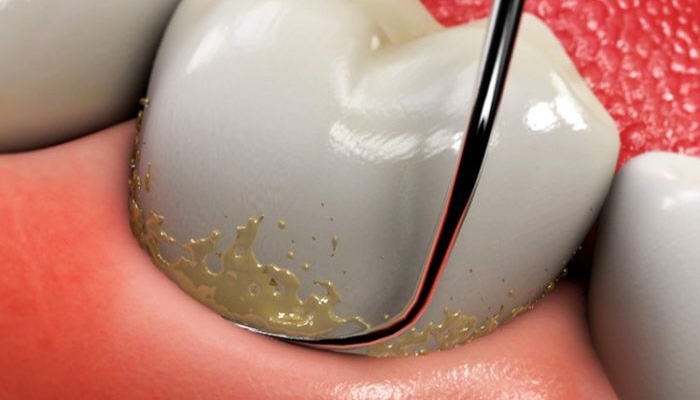
Step 1. Ultrasonic scaling (calculus removal)
An ultrasonic scaler with high-frequency vibrations effectively breaks and removes tartar, including below the gumline. Continuous water cooling keeps the procedure safe for enamel and comfortable for the patient. This is one of the key methods for preventing gingivitis and periodontitis.
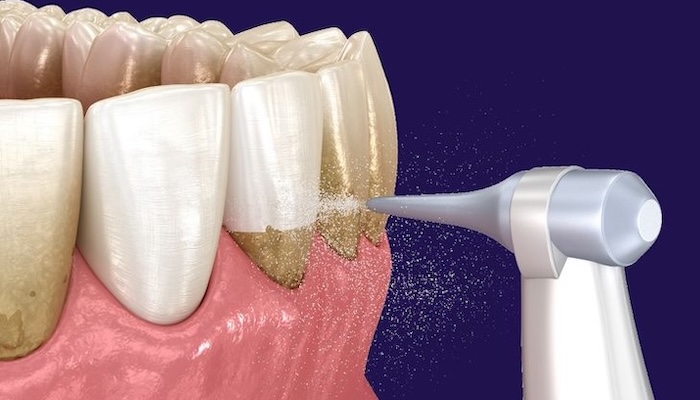
Step 2. AIRFLOW® tooth cleaning
A stream of water, air, and micro-powder (glycine or erythritol) gently removes soft plaque and staining from coffee, tea, or smoking. At the same time, the tooth surface is polished and becomes smoother, which reduces bacterial adhesion. The method is safe for patients with veneers or implants.
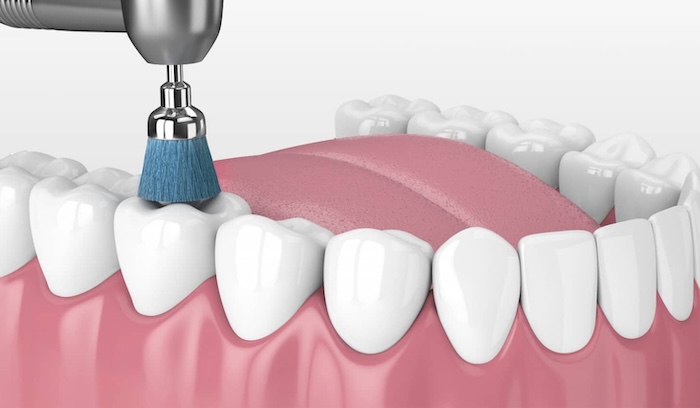
Step 3. Polishing with pastes
After the main cleaning, the enamel is treated with special polishing pastes and brushes. This removes micro-roughness, gives the teeth a shine, and slows the reaccumulation of plaque. As a result, the enamel stays smooth longer and is less prone to restaining.
Step 4. Remineralization
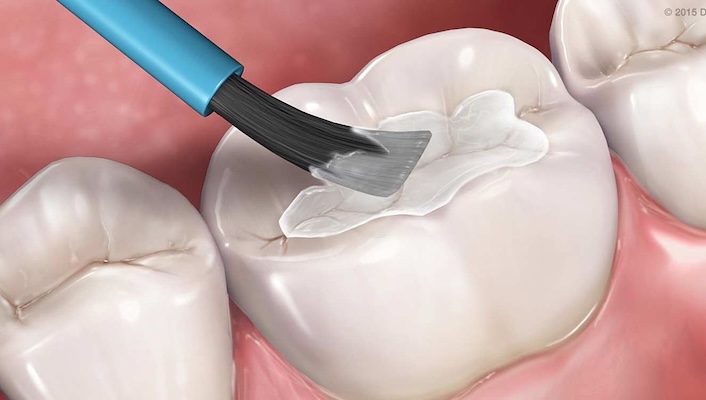
Application of calcium- and fluoride-containing gels or varnishes. They strengthen enamel, reduce sensitivity, and increase resistance to tooth decay. Prior cleaning ensures better mineral penetration, so the effect of remineralization is maximal. Especially useful for patients with increased tooth sensitivity.
Our advantages
EMS AIRFLOW® Prophylaxis Master
The device operates under the Guided Biofilm Therapy protocol (guided biofilm removal). It enables safe, effective removal of plaque, staining, and calculus from teeth, crowns, and implants.
“No Pain” Piezon technology
Special Perioflow and PI tips
Teeth cleaning prices
AIRFLOW® tooth cleaning
900 UAH
Cleaning with a stream of air, water, and micro-powder (glycine or erythritol). The method removes soft plaque in hard-to-reach areas and eliminates yellow staining from tobacco or coffee. The price is indicated per dental arch.
Pediatric professional hygiene
2000 UAH
Adult professional hygiene
from 2900 UAH
Clinic locations in Kyiv
The most convenient access to our dental clinics is from the following areas of Kyiv:
Kyiv, 25B Novomostytska St. — Vynohradar, Kurenivka, Obolon, Syrets, Minskyi residential area.
Kyiv, 20 Pidvysotskoho St. — Pecherskyi District, Zvirynetska metro station.
Kyiv, 60/1 Yalynkova St. — Kharkivskyi residential area; Boryspilska, Chervonyi Khutir, Vyrlytsia, Kharkivska metro stations.
Features of professional teeth cleaning
With dental implants
With braces
With crowns and veneers
With bridges
Frequently asked questions about professional teeth cleaning
Is professional teeth cleaning painful?
In most cases, professional teeth cleaning is not painful. During the procedure, ultrasonic scalers and AIRFLOW® technology are used to remove tartar and bacterial plaque without damaging the enamel.
Discomfort may occur in cases of gum inflammation, exposed tooth necks, or increased tooth sensitivity. In such situations, the dental hygienist works in a gentle mode, and local anesthesia may be used if necessary. This approach aligns with current clinical guidelines in preventive dentistry.
How often should professional teeth cleaning be done?
The standard recommendation is once or twice a year. During this time, soft dental plaque partially mineralizes and turns into tartar, which cannot be removed with a regular toothbrush or irrigator.
For patients with braces, implants, gum disease, a tendency to rapid tartar formation, or for smokers, cleaning is recommended every 3–4 months. The exact frequency is always determined individually after an examination.

Does professional teeth cleaning damage enamel?
Professional teeth cleaning does not damage enamel when performed according to modern clinical protocols. Ultrasonic instruments and AIRFLOW® work selectively, removing tartar and bacterial biofilm without affecting healthy tooth tissues.
Regular professional oral hygiene reduces the risk of cavities, gingivitis, and periodontitis by eliminating the main cause of these conditions — bacterial plaque.
Why can tooth sensitivity occur after cleaning?
After professional cleaning, tooth sensitivity may temporarily increase because tartar is removed from the tooth surfaces and from beneath the gums, where it previously partially insulated sensitive areas.
This is a normal short-term reaction that usually resolves within a few days. That is why the final stage of the procedure is remineralization, which reduces sensitivity and strengthens enamel.
Does professional teeth cleaning help eliminate bad breath?
In most cases, yes. The main cause of bad breath is bacteria that accumulate in tartar and under the gums. Professional cleaning removes these deposits and reduces the bacterial load.
If bad breath persists after cleaning, it may indicate gum disease or other medical conditions that require additional diagnostics.
Can professional teeth cleaning be done with implants, crowns, or veneers?
Yes, and it is necessary. When implants and restorations are present, it is especially important to regularly remove plaque to prevent gum inflammation and the development of peri-implantitis.
For such patients, special AIRFLOW powders (glycine or erythritol), gentle ultrasonic modes, and tips are used that do not damage titanium, ceramic, or composite materials.