Dental mock-up
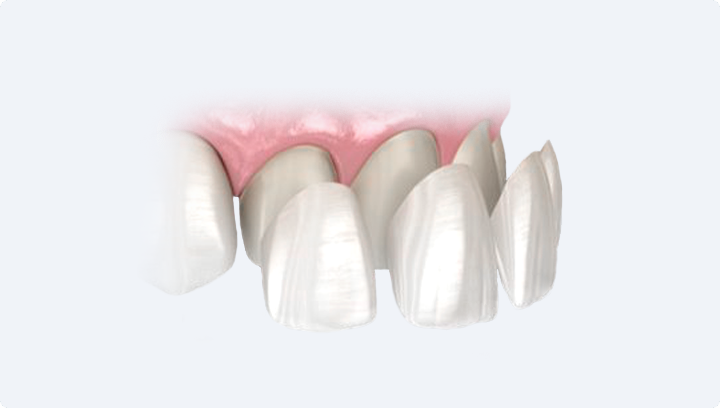
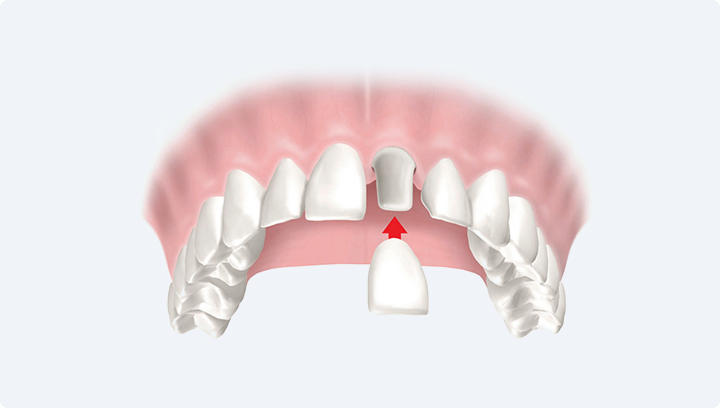
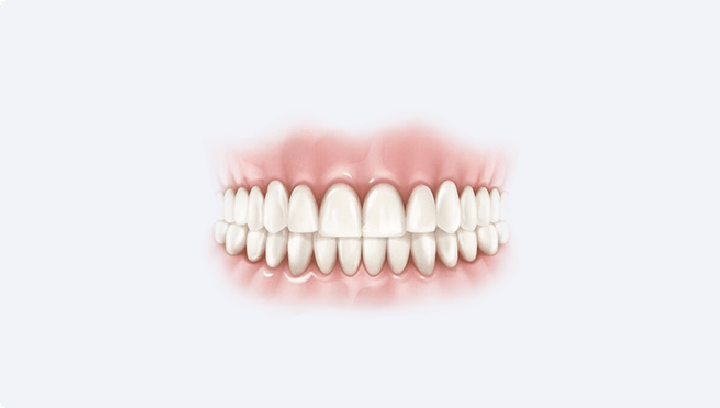
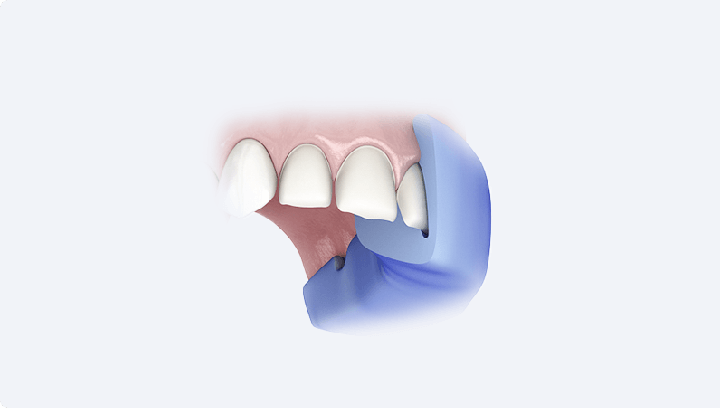
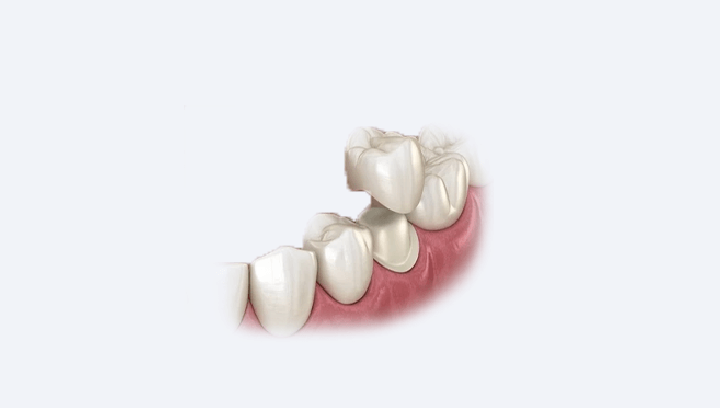
A dental mock-up is a full-size model of the shape and size of future prosthetic restorations. A mock-up can be used before making veneers, crowns and dental bridges.
A mock-up is usually used in full-mouth prosthetic treatment. With a mock-up model prepared in advance, the patient can literally try on their future teeth.
What is a dental mock-up
Patients may need dental prosthetic treatment to restore tooth function, tooth aesthetics, or both at the same time. If prosthetic treatment cannot be avoided, in addition to function, it is natural to want a result that is not only practical and reliable, but also attractive.
When it comes to individual teeth, they can be modeled digitally, or a temporary crown can be made to assess the future result. As a rule, a digital 3D model is enough for the patient to make a decision, and only in rare cases is temporary prosthetic treatment needed.
In cases of full-mouth prosthetic treatment or prosthetic treatment of the front teeth (the smile zone), patients have high expectations of the final result, and this is completely justified. In such cases, a mock-up model helps create the dream smile and avoid misunderstandings between the dentist and the patient.
When a mock-up is needed
Full-mouth treatment with veneers
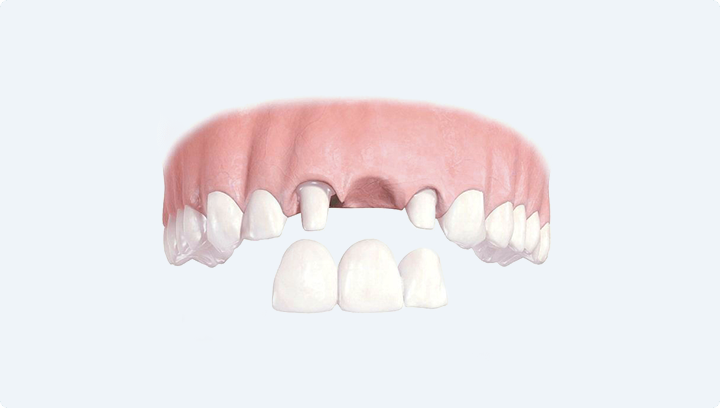
Local treatment with veneers
Full-mouth treatment with crowns
Smile-zone prosthetic treatment
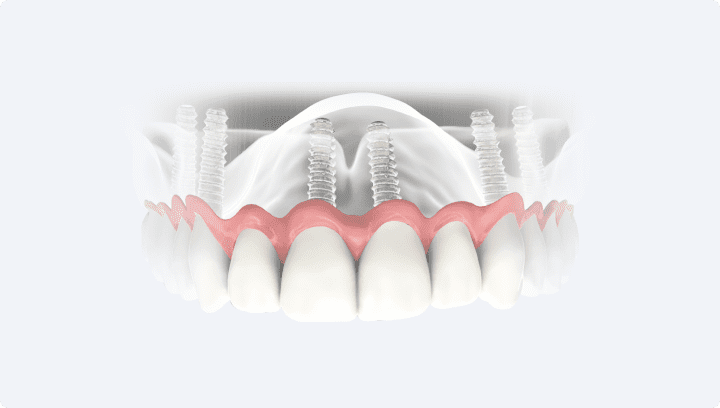
Full-mouth implant-supported prosthetic treatment
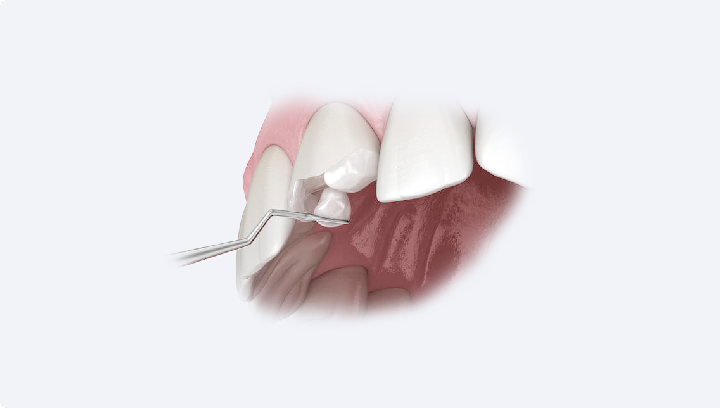
Composite tooth restoration
The process of creating a mock-up model
Scanning and modeling
3D printing
Silicone impression
Preparation
Final scanning and modeling
Model printing
Temporary prosthetic treatment
Alternative to a mock-up model
A mock-up is made to take all the patient's wishes into account and meet their expectations. Its advantage over other methods of preliminary modeling of future crowns is speed and the possibility of immediate temporary prosthetic treatment after preparation. However, we should also mention alternative ways of "trying on" a future smile:
Wax-up model
The technology for making a wax model is simple, but it takes more time. The dentist takes impressions and sends them to the laboratory. The dental technician makes a plaster model, creates the shape and size of the teeth on it, and returns it to the dentist. The wax teeth are tried in the oral cavity.
Disadvantages: this method takes a lot of time (up to two weeks), because wax tooth models are made manually by the technician and therefore may have errors and inaccuracies.
Computer modeling
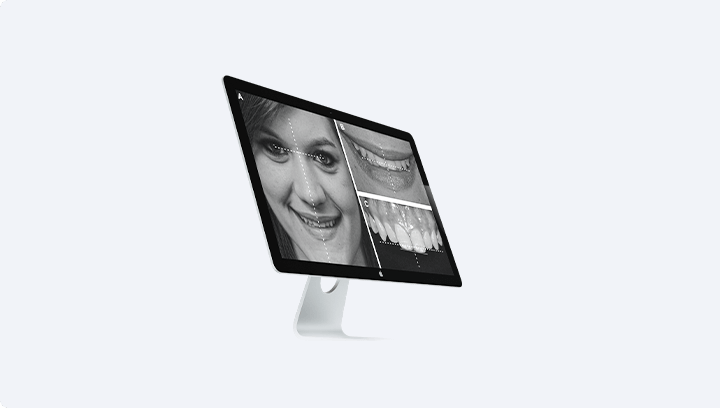
Today there are many professional computer programs for dentists that allow a patient's photos from different angles to be uploaded and a digitally modeled smile to be "placed" into the photo. The person can see a 2D image of the teeth.
Disadvantages: there are a limited number of angles in the photo; the photo does not allow all teeth to be seen or the result to be assessed with different facial expressions. This method also does not allow the patient to feel the comfort and aesthetics in practice.
Temporary prosthetic treatment
Our doctors
Maksym Makarenko
Roman Mamonov
Yevhen Makarenko
Maryna Mamonova
Lidiia Bulyhina
Frequently asked questions about mock-up models
How long can you wear a mock-up?
With moderate use and avoidance of excessive loads, a mock-up can be used for about 1-2 months. Adaptation usually occurs within a few hours, and the final feeling can be assessed on the third day.
If I do not like the teeth, how can they be corrected?
If you tell the dentist about this right away, they will make the correction during the same visit, taking all your wishes into account, and will transfer a new model into the oral cavity.
Does a mock-up harm teeth?
No, a mock-up does not cause any harm to the teeth or to the patient's overall health. On the contrary, this method helps preserve as much healthy tooth tissue as possible and keep preparation minimal.