

Dental implants for front teeth
When front teeth are missing, patients usually want to restore the aesthetics of their smile as quickly as possible. It is important that the result looks natural and remains unnoticeable in everyday communication. With proper planning of implant placement and prosthetic restoration, it is possible to achieve an aesthetic and functional result that can last for many years.
Classic implant treatment is often performed in two stages: first, the implant is placed, and after osseointegration, the crown is fixed. In the front tooth area, patients often expect a quick restoration of appearance, so the doctor may consider a temporary crown or an immediate loading protocol — if there are clinical indications for this.

Indications for Dental Implant Placement
Missing tooth or teeth
Missing-tooth defects
Problems with dentures
Contraindications to Dental Implant Placement
Poor hygiene
Severe bone deficiency
Certain diseases
Specific Features of Front Tooth Implant Placement
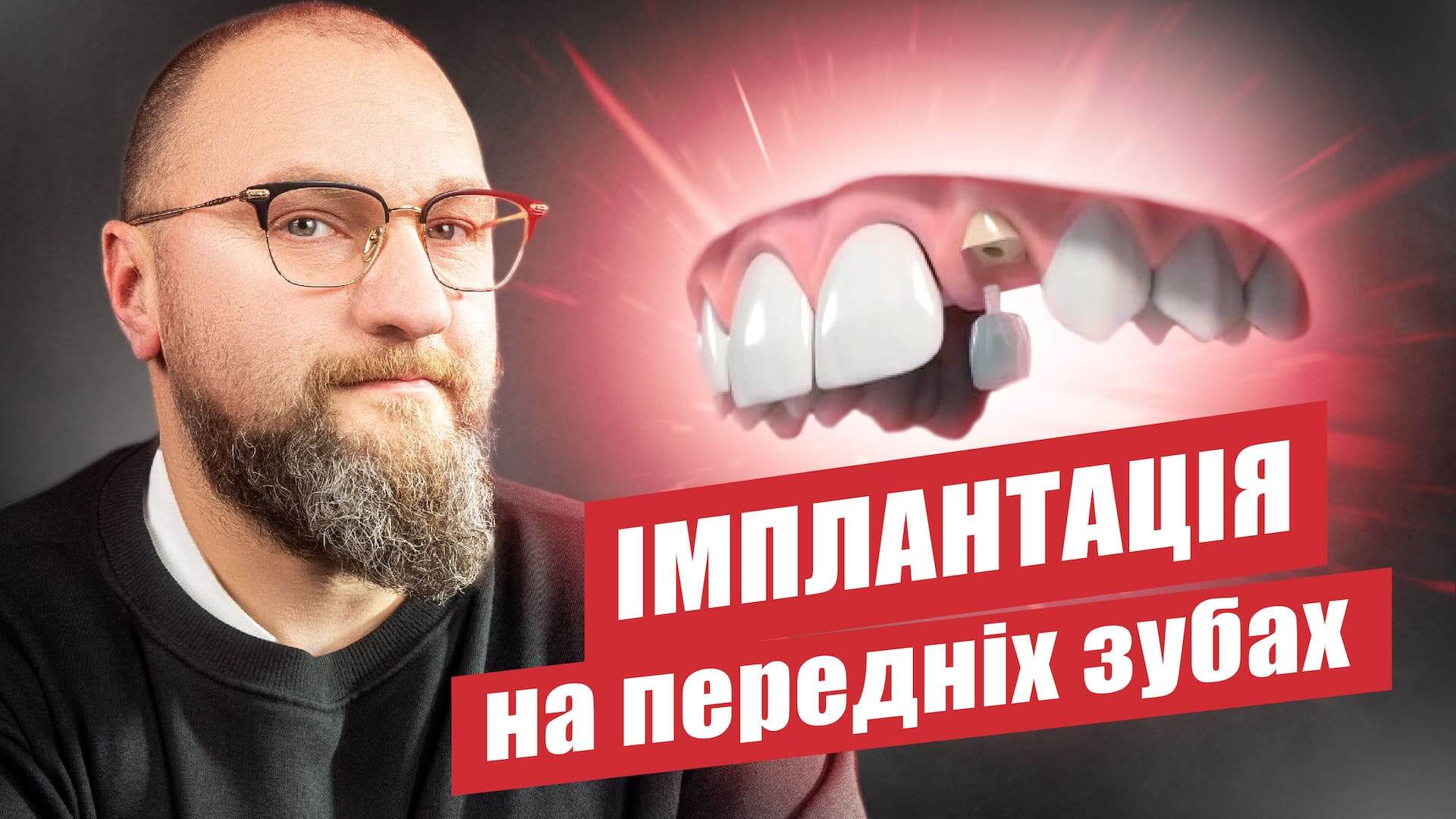
What makes implant placement in the anterior part of the dental arch different? Dental surgeon Maksym Makarenko explains the specifics of treatment, the choice of implants for front teeth, and how a natural-looking smile is achieved.
Dental Implants We Place
reliable quality without overpaying
Methods of Implant Placement for Front Teeth
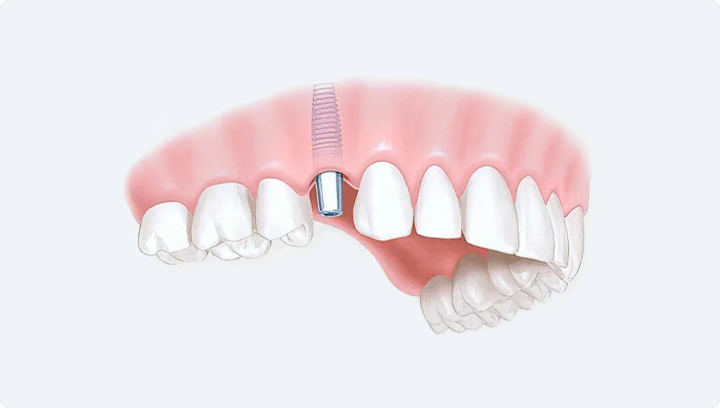
Two-Stage Implant Placement (with delayed loading)
Two-stage implant placement is a classic method of restoring a tooth, in which treatment is carried out in two stages: first, the implant is placed, and after osseointegration is complete, prosthetic restoration is performed. Depending on the clinical situation, the crown is fixed after 1.5–6 months.
Advantages:
- Reliability of the method
Disadvantages:
- Immediate loading of the implant is not possible
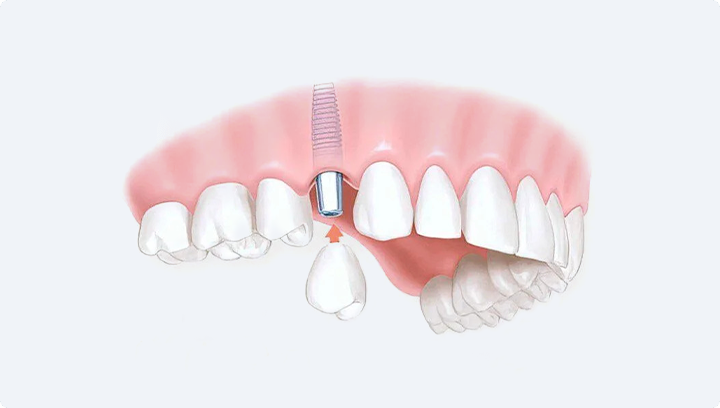
One-Stage Implant Placement (with immediate loading)
One-stage implant placement involves placing the implant and fixing a temporary or permanent crown within a single stage of treatment. If clinical conditions allow, the patient may leave the clinic with the appearance of the dental arch restored. The method requires sufficient primary stability of the implant, careful planning and adherence to the doctor’s recommendations.
Advantages:
- Possibility of immediate temporary prosthetic restoration
Disadvantages:
- Requires special care
- Requires temporary restrictions
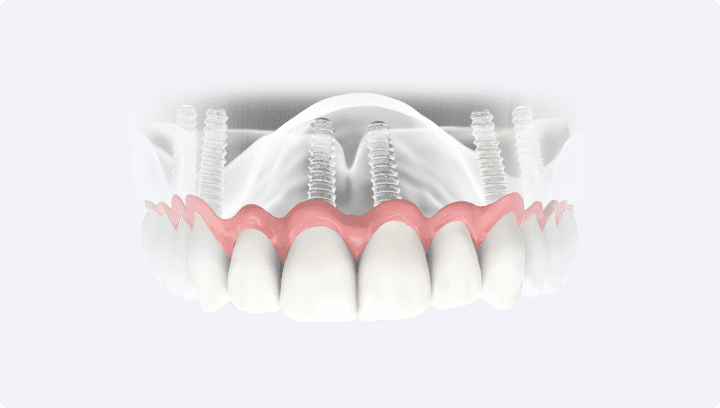
Basal Implant Placement
Basal implant placement may be considered in certain complex clinical cases, particularly in cases of significant bone deficiency. The method has limited indications, requires careful diagnostics and is not a universal alternative to classic implant placement, especially in the aesthetic zone of the front teeth.
Advantages:
- May be considered in cases of significant bone deficiency
- In some cases, allows immediate loading of the implant
- Sometimes helps avoid bone grafting
Disadvantages:
- Can be more traumatic compared with classic protocols
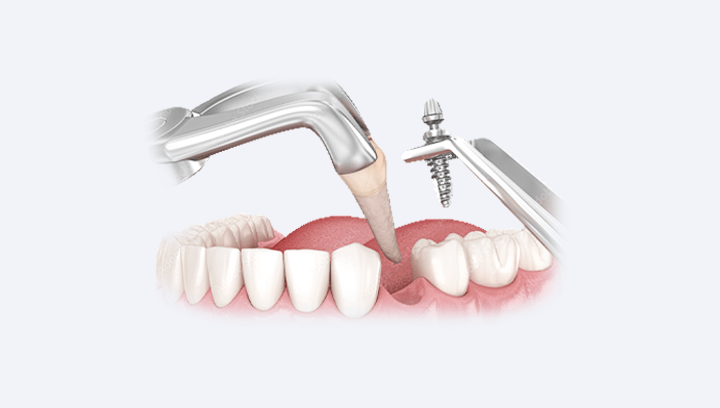
Immediate Implant Placement
Immediate implant placement is used when a destroyed or traumatized tooth needs to be extracted and an implant can be placed immediately into the prepared socket. If clinical conditions allow, this approach can reduce the number of treatment stages and help restore dental aesthetics sooner.
Advantages:
- Quick temporary restoration of aesthetics
- Possibility of immediate loading when indicated
Disadvantages:
- Requires special care
- Requires temporary restrictions
Types of Implant Placement for Front Teeth
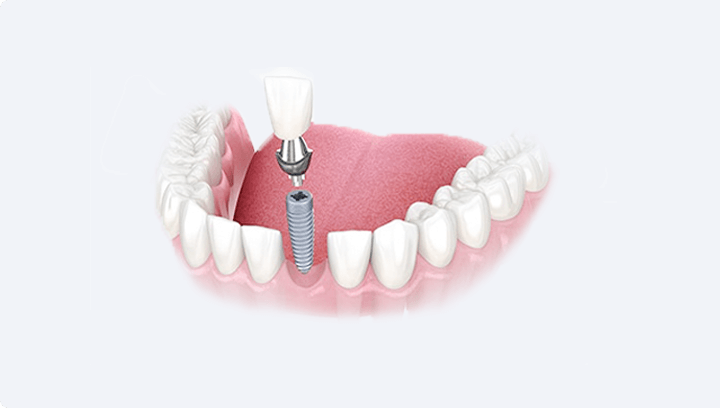
Aesthetic Implant Placement
Used for implant placement in the central teeth, when the main goal is to restore the natural aesthetics of the smile. The doctor assesses the volume of bone tissue, the gum contour, and the need for bone grafting or correction of the gum margin. This helps create a harmonious gum contour and achieve a natural appearance of the dental arch when smiling.
Aesthetic and Functional Implant Placement
Used when both the chewing and aesthetic function of a tooth need to be restored. This usually applies to teeth that are visible when smiling and are involved in chewing food: the fourth, fifth and sometimes sixth tooth. In such cases, the doctor takes into account the reliability of the restoration during osseointegration and the final aesthetic result of the crown and gum contour.
Main Stages of Dental Implant Treatment

Examination and Medical History Review
Medical history review, oral examination and CT analysis (computed tomography) are the first stage of treatment planning. On the CT scan, the doctor assesses the volume and density of the jawbone, as well as the location of anatomical structures.

Implant Placement
We select the implant size, model the implant surgical guide and plan the surgical procedure. The surgery is performed under local or general anesthesia. It takes approximately 20–30 minutes.

Gum Shaping
Depending on the implant system, the healing abutment is placed after 1.5–3 months in the lower jaw and after 3–6 months in the upper jaw. This helps form the gum contour around the future crown.

Impressions for the Crown
Dental impressions are taken with a 3D scanner to manufacture the future crown or bridge-like prosthesis as accurately as possible using a special abutment (Ti-Base)

Crown Fabrication
The crown is fabricated on a high-precision CEREC milling machine and fixed on the same day or the next day, depending on the selected material and the clinic’s workload.
Complications After Implant Placement for Front Teeth
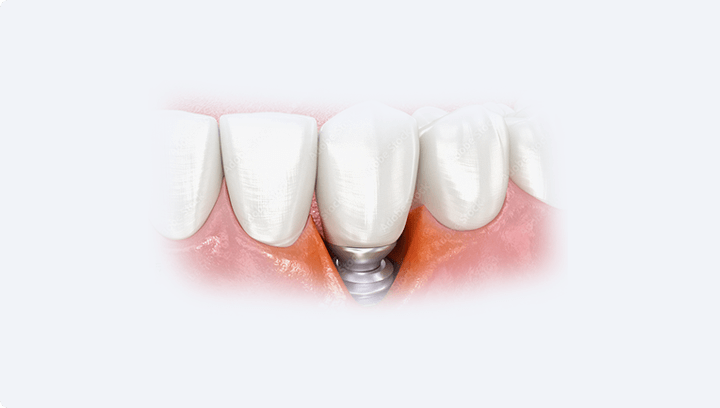
Peri-implantitis
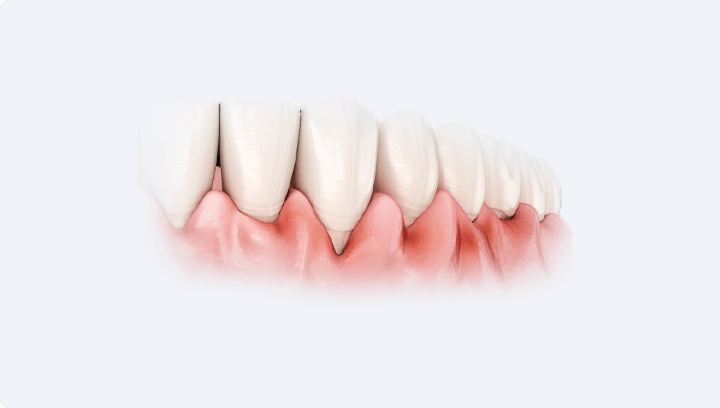
Gum Recession
Implant Rejection
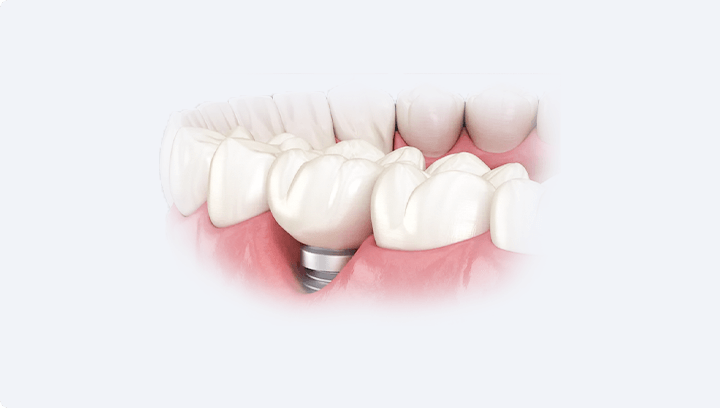
Implant loss may be associated with peri-implantitis, insufficient osseointegration or other factors. The doctor determines the further treatment strategy after an examination and diagnostics.
Implant Exposure
Bleeding
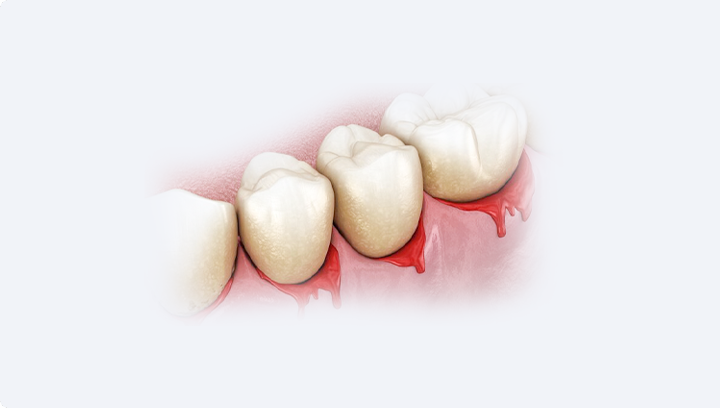
Minor bleeding for several hours after surgery may be a normal variant. If the bleeding is heavy, lasts more than 3 hours or increases, you should consult a doctor.
Swelling
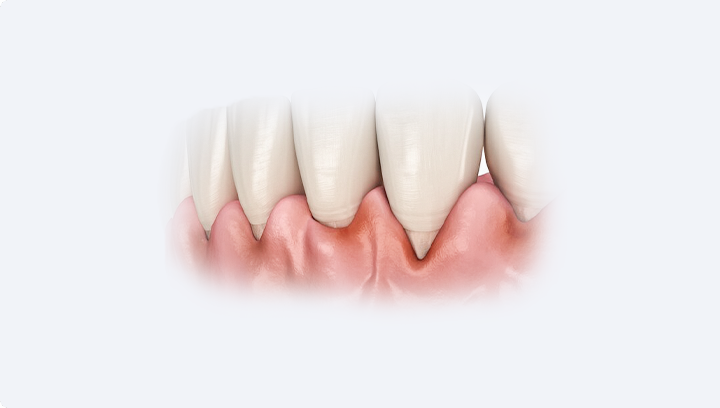
Swelling that increases during the first three days after surgery may be a normal tissue reaction. If on the fourth day the swelling continues to increase, does not decrease or is accompanied by acute pain, you should consult a doctor.
Alternative Methods for Restoring the Dental Arch

Fixed Prosthesis
A bridge-like prosthesis can restore a missing front tooth and provide a natural-looking smile. However, to fix it, the adjacent supporting teeth usually need to be prepared.
It is important to consider that a bridge-like prosthesis does not stop the gradual atrophy of bone tissue in the area of the missing tooth. Over time, this may affect the gum contour and require correction or replacement of the restoration.

Removable / Conditionally Removable Denture
Removable or conditionally removable prosthetic restoration can be a temporary or budget-friendly option for restoring the dental arch. It is more often considered when implant placement is temporarily impossible, undesirable or needs to be postponed.
The disadvantages of removable restorations include a shorter service life compared with fixed solutions, the risk of restoration breakage and the absence of load on the bone in the area of the lost tooth, which may contribute to gradual bone atrophy.
Care for Implants on Front Teeth
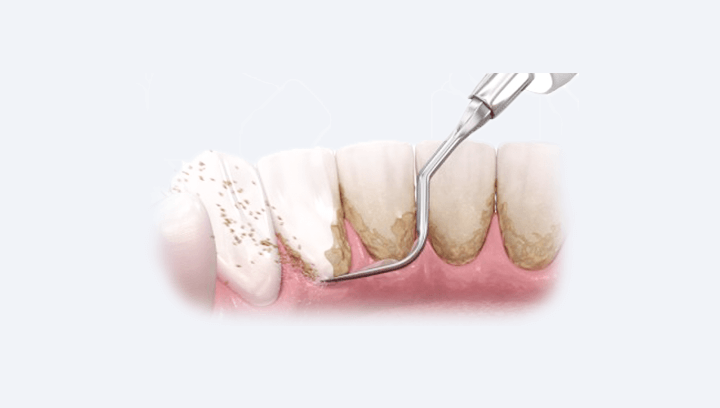
Professional Oral Hygiene
Professional oral hygiene twice a year helps maintain the health of teeth and gums and detect inflammatory processes or other changes around implants in time.
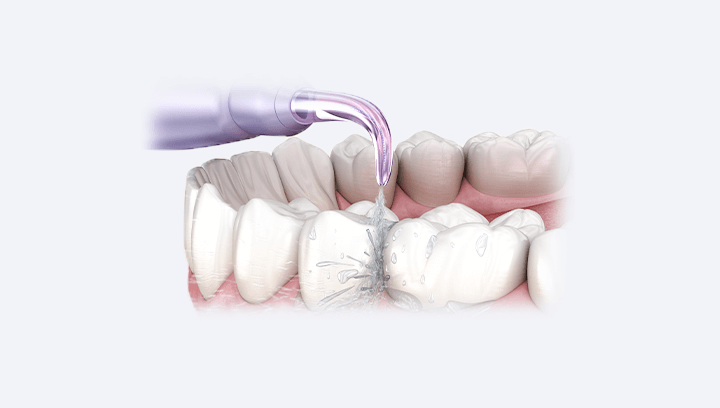
Oral Irrigator
An oral irrigator can help clean interdental spaces and areas under crowns and bridge-like prostheses. The frequency of use, mode and type of nozzle should be discussed with your doctor or hygienist.
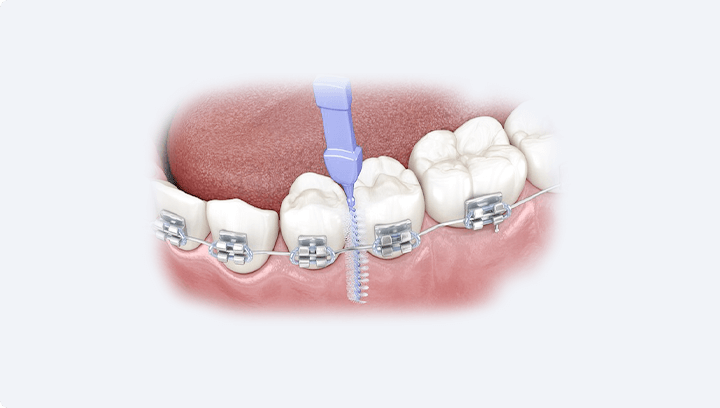
Interdental Brushes
Interdental brushes help clean contact surfaces between teeth and crowns in areas where a regular toothbrush is not always effective.
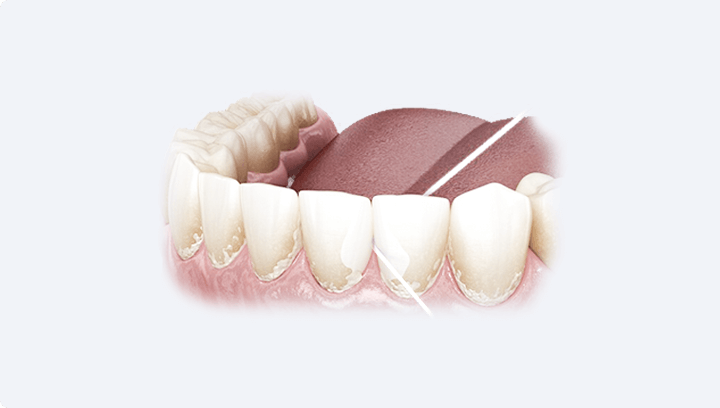
Floss / Dental Floss
Floss or dental floss helps remove food debris and soft plaque between teeth to reduce the risk of gum inflammation and tooth decay on adjacent natural teeth.
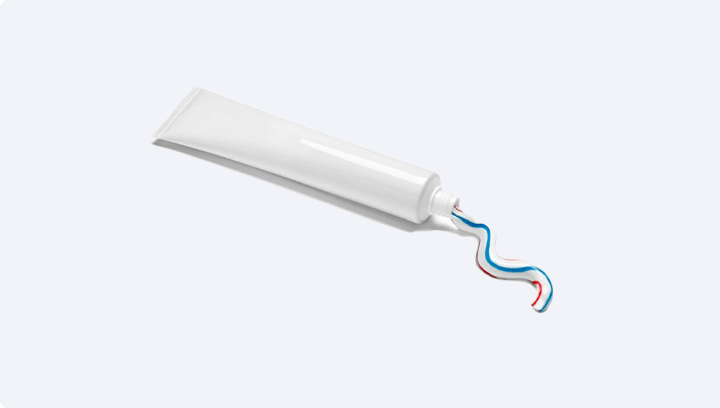
Low-Abrasive Toothpaste
Toothpaste with low abrasiveness may be recommended for gentle cleaning of crowns and soft tissues around implants.
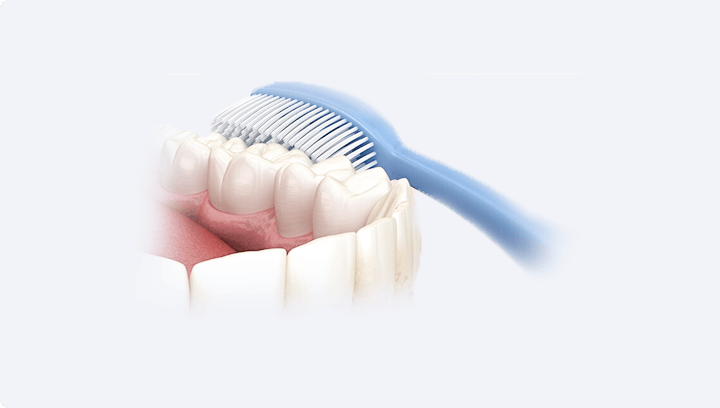
Soft Toothbrush
A toothbrush with soft bristles gently cleans the crown and soft tissues in the area of the placed implant. If you are used to a medium-bristle toothbrush, it is worth discussing the optimal care routine with your doctor or hygienist.
Our Implantologists




Patient Reviews


Benefits of Dental Implant Treatment at Our Clinic
Proven Implant Systems
We use Straumann, Nobel Biocare, MegaGen and other dental implant systems with predictable clinical results.In-house CT scanner
Our in-house computed tomography scanner helps perform detailed diagnostics and accurately plan implant placement.Modern Equipment
We work with modern diagnostic and surgical equipment, which helps improve treatment accuracy.We Regularly Improve Our Qualifications
Our implant surgeons regularly undergo training and internships with specialized experts in Ukraine and abroad.

Cost of Dental Implant Placement
MegaGen Dental Implant
from UAH 9,000
Country of manufacture of the implants — Korea
Neodent Dental Implant
from UAH 18,000
Country of manufacture of the implants — Brazil
Straumann BLT Dental Implant
from UAH 24,000
Country of manufacture of the implants — Switzerland
Straumann BLX Dental Implant
from UAH 28,000
Country of manufacture of the implants — Switzerland
Nobel Biocare Parallel Implant
from UAH 32,000
Country of manufacture of the implants — USA
Nobel Biocare Active Implant
from UAH 37,000
What Is Included in the Implant Placement Price
CT scan, consultation and implant treatment planning, the dental implant and its placement, and the doctor’s postoperative recommendations.
Guarantees
Implant manufacturers may provide a warranty for the implant itself as a medical device. The clinic’s warranty terms for treatment depend on the clinical situation, the selected treatment plan and the patient’s adherence to the doctor’s recommendations.
Clinic Locations in Kyiv
The easiest way to get to our dental clinics is from the following districts of Kyiv:
To the clinic at: Kyiv, 25-B Novomostytska St. — Vynohradar, Kurenivka, Obolon, Syrets, Minskyi Masyv.
To the clinic at: Kyiv, 20 Pidvysotskoho St. — Pecherskyi District, Zvirynetska metro station.
To the clinic at: Kyiv, 60/1 Yalynkova St. — Kharkivskyi Masyv, Boryspilska, Chervonyi Khutir, Vyrlytsia and Kharkivska metro stations.