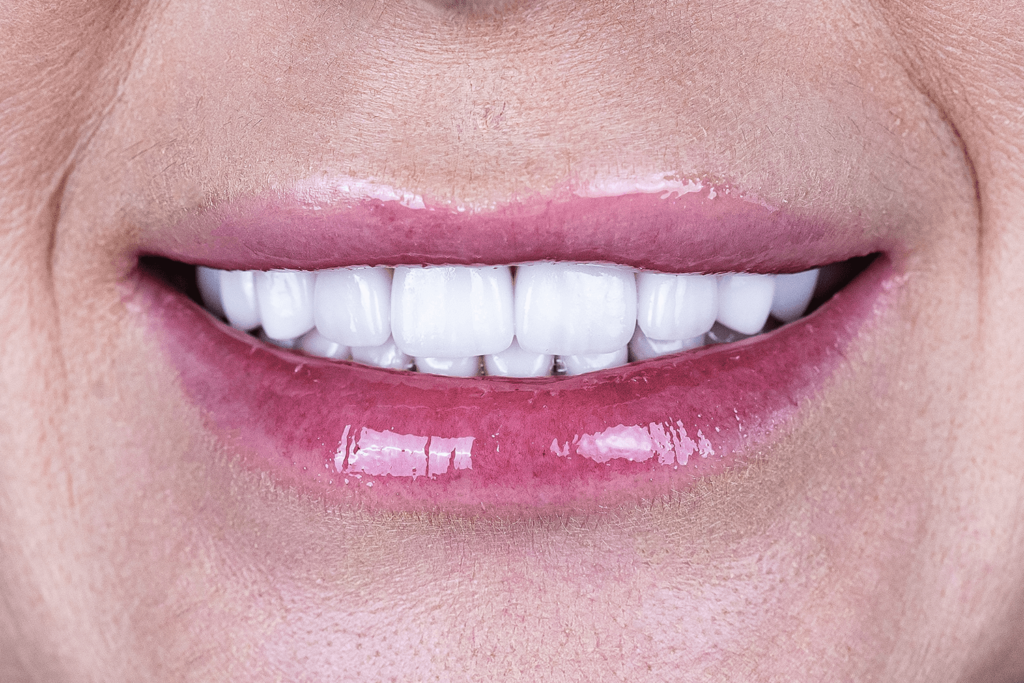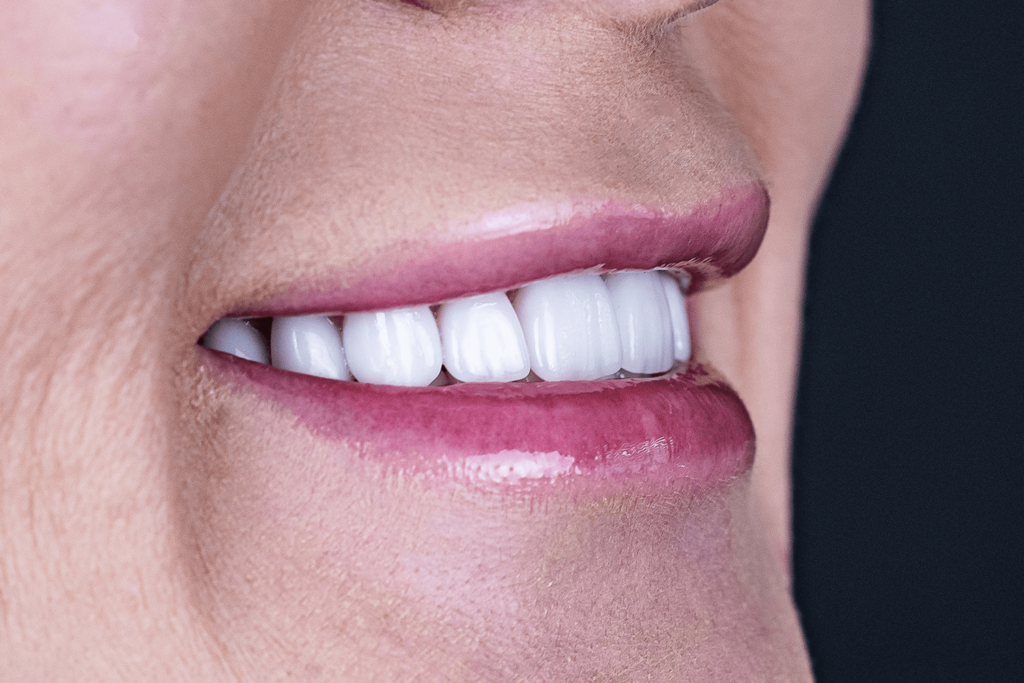


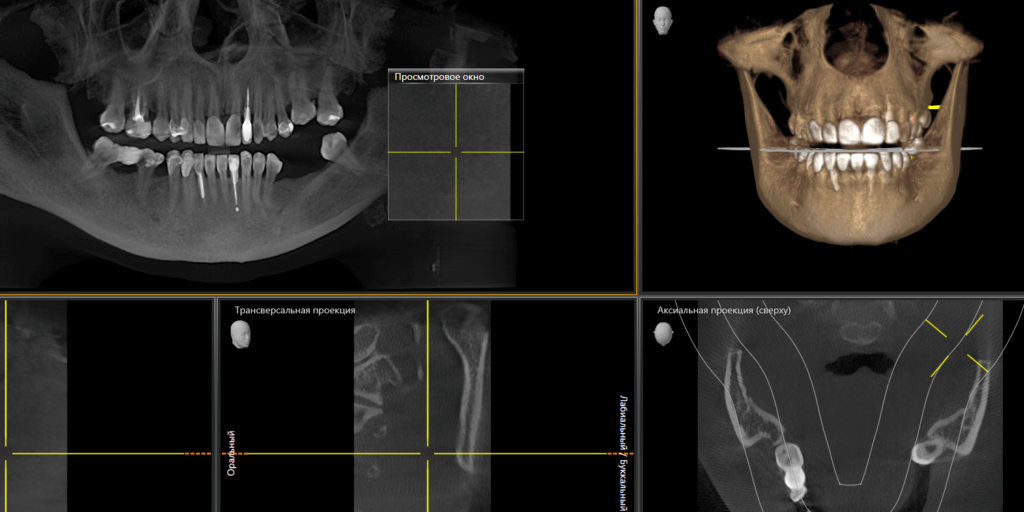
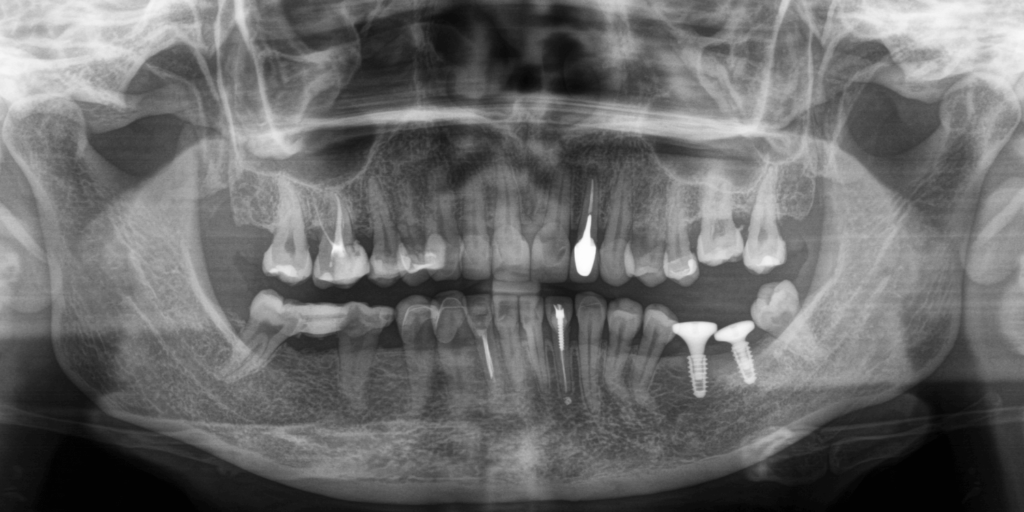
We first met the patient about a year ago. She came to our clinic for professional oral hygiene and also complained about missing 6th and 7th teeth in the lower jaw on the left. After a CT scan and clinical examination, we found that some of the teeth that had previously been restored with prosthetic restorations had already been endodontically treated. Almost all teeth were covered with crowns, partial crowns, and veneers. The restorations were relatively old but generally in satisfactory condition. The amount of bone tissue allowed implant placement. Therefore, we suggested placing dental implants using the two-stage implant placement method in the area of the missing teeth, followed by prosthetic restoration with all-ceramic dental crowns.
The patient agreed to treatment. At the stage of surgical planning, she was concerned about possible pain and considered having the procedure performed under general anesthesia ("narcosis"). The doctor explained the options for local anesthesia, described the course of the procedure, and answered the patient's questions. After the consultation, implant placement under local anesthesia was chosen. The procedure was quick and comfortable for the patient.
After completing the "all-inclusive" implant treatment, the patient returned to us after some time with a request to replace the old prosthetic restorations in the anterior area, as she wanted a slightly more elongated tooth shape. The doctor suggested performing the treatment with a preliminary try-in of a mock-up model to consider all wishes regarding the size and shape of the teeth and to allow the patient to try on the future restorations and wear them for some time. Due to a busy schedule, the patient declined this stage and noted that she was satisfied with the tooth shape; she only wanted them to be slightly longer and completed within a short timeframe.
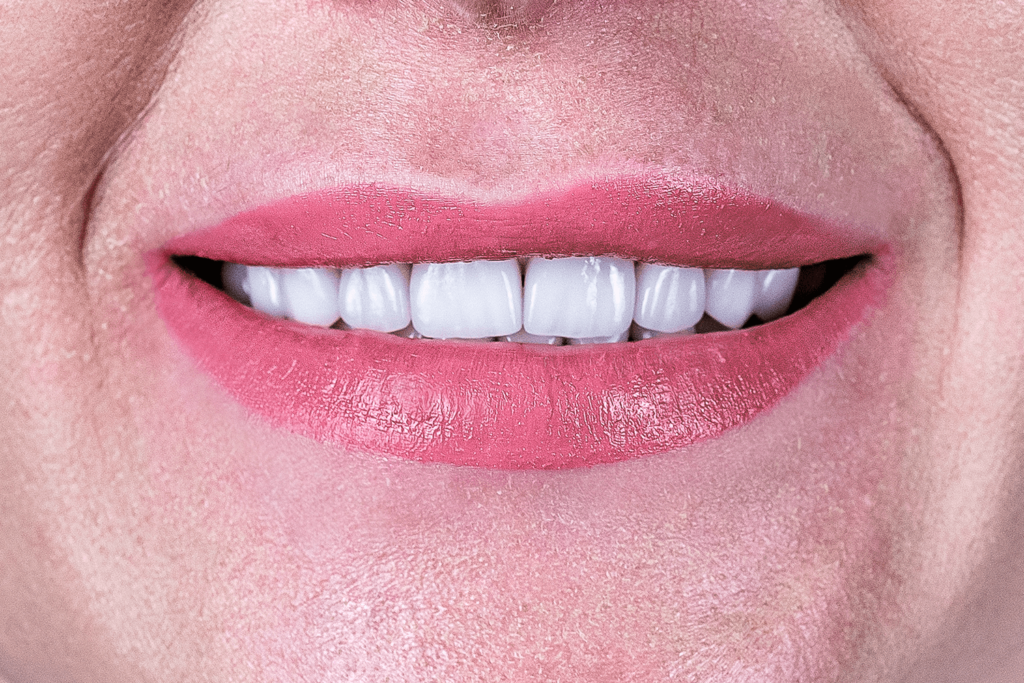
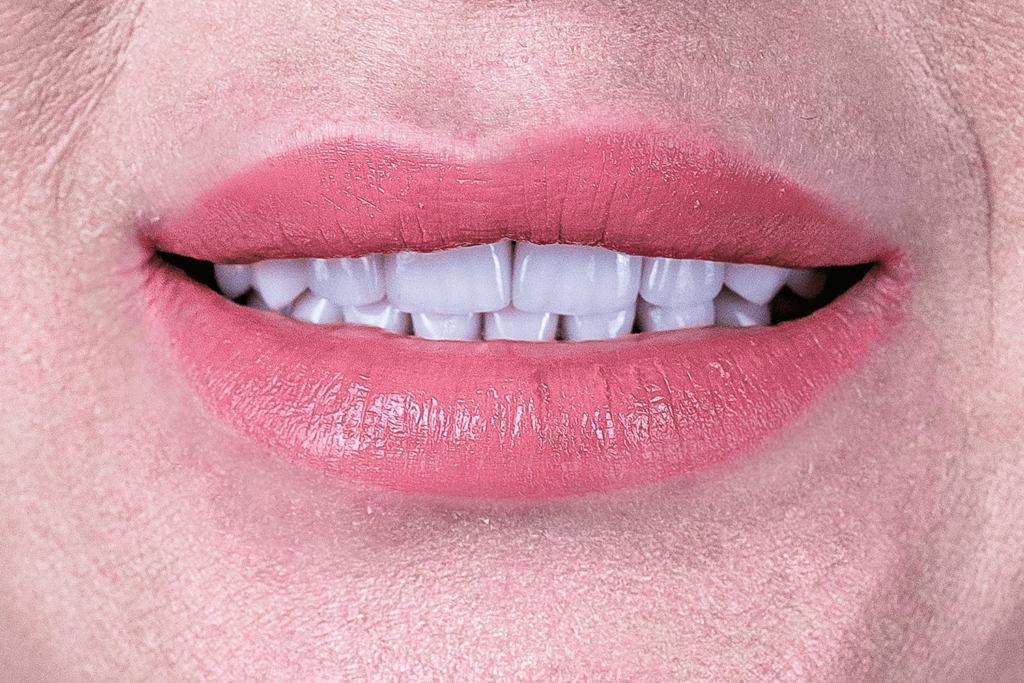
Several days after the restorations were fixed, the patient returned: the new result did not fully meet her aesthetic expectations. She realized that she wanted not only longer teeth, but also lighter, wider, and visually larger teeth in the smile zone. This time, the doctor strongly recommended a mock-up try-in, and the patient agreed that this stage was necessary. The work had to be redone, but after the shape and size were approved again, the result fully satisfied the patient.
The entire treatment journey consisted of the following stages:
Examination and consultation with the doctor
Dental implant placement
Removal of surgical sutures
Placement of Ti-base abutments
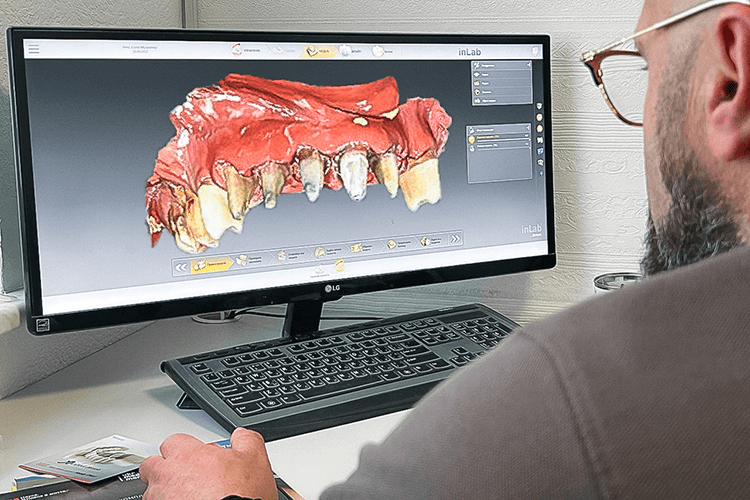
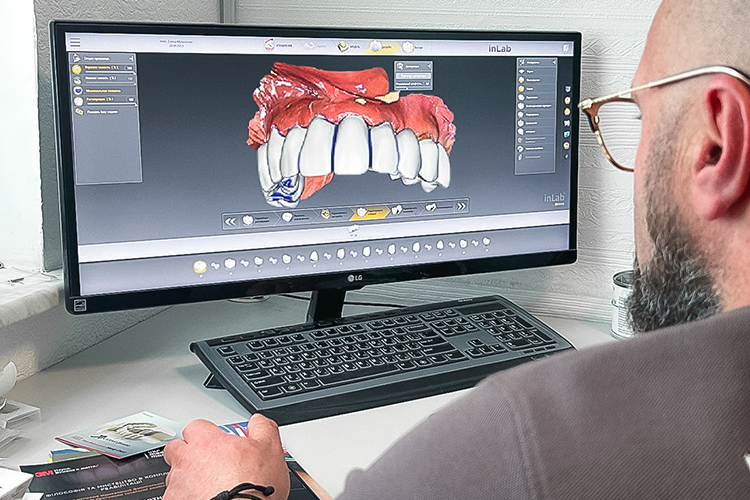
Digital design and milling
Fixation of crowns on implants

Consultation
Taking impressions of the existing restorations
Transfer of composite material for temporary veneers
Digital design and milling
Removal of temporary composite veneers and placement of permanent crowns
Follow-up consultation
Fabrication of the mock-up
Tooth preparation and removal of old restorations
Milling of new crowns and veneers
Crown fixation by the prosthodontist